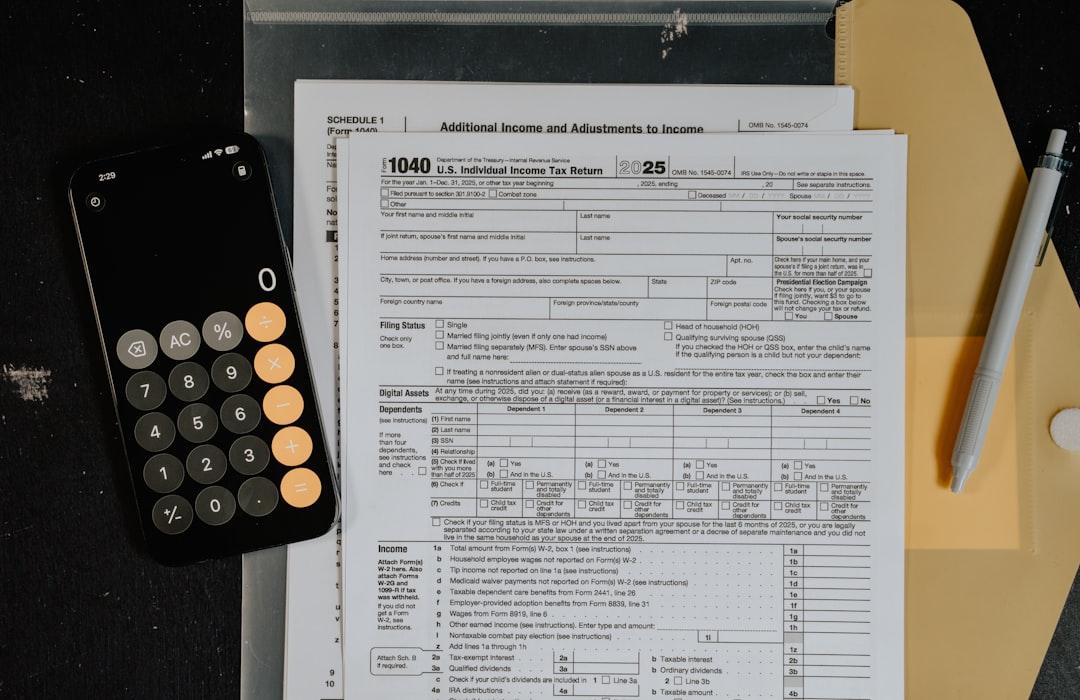
Are you driving for Uber, Ola, or another rideshare platform in Australia and wondering how to maximise your tax deductions? You’re not alone. Many rideshare drivers miss out on significant tax savings simply because they don’t know what expenses they can legitimately claim. With the right knowledge about uber driver tax deductions and rideshare tax australia regulations, you could potentially save thousands of dollars each year.
The Australian Taxation Office (ATO) recognises rideshare driving as a legitimate business activity, which means you’re entitled to claim various work-related expenses. However, the key is understanding what you can claim, how to claim it, and maintaining proper records to support your deductions.
Understanding Your Tax Obligations as a Rideshare Driver
Before diving into deductions, it’s crucial to understand that as a rideshare driver in Australia, you’re considered to be running a business, not working as an employee. This means you’ll need to:
- Include all rideshare income in your tax return
- Pay tax on your net profit (income minus allowable deductions)
- Register for GST if you earn more than $75,000 annually from rideshare activities
- Keep detailed records of all income and expenses
The good news is that business expenses can significantly reduce your taxable income, potentially saving you substantial amounts in tax.
Vehicle-Related Deductions: Your Biggest Tax Savings
Car Expenses - The Foundation of Rideshare Tax Deductions
Vehicle expenses typically represent the largest category of uber driver tax deductions available to Australian drivers. You have two methods to calculate these deductions:
1. Logbook Method (Recommended) This method requires maintaining a logbook for at least 12 consecutive weeks, recording:
- Date and time of each trip
- Odometer readings at start and end
- Purpose of the trip (rideshare work, personal use, etc.)
- Total kilometres travelled
With this method, you can claim the business percentage of all car expenses, including:
- Fuel costs
- Registration and insurance
- Servicing and repairs
- Car rental or lease payments
- Depreciation or interest on car loans
- Tolls and parking (when used for rideshare work)
2. Cents Per Kilometre Method For the 2023-24 financial year, you can claim 85 cents per kilometre for up to 5,000 business kilometres. While simpler, this method often results in lower deductions for full-time rideshare drivers.
Rental Vehicle Deductions
If you’re renting a vehicle specifically for rideshare work, like many drivers do with hybrid vehicles from companies such as Fair Hybrid Rentals, you can claim the business portion of your rental costs. This is particularly beneficial given that rental companies often provide comprehensive packages including insurance, registration, and servicing.
For example, if you use your rental vehicle 80% for rideshare work and 20% for personal use, you can claim 80% of your rental payments as a tax deduction. With Brisbane-based rental costs varying significantly across providers, choosing a cost-effective option like Fair Hybrid Rentals’ $150 per week introductory rate can provide both operational savings and substantial tax deductions.
Fuel and Running Costs: Maximising Your Savings
Fuel represents one of the most significant ongoing expenses for rideshare drivers. Under the logbook method, you can claim the business percentage of all fuel costs. This is where choosing a fuel-efficient vehicle becomes doubly beneficial.
Hybrid vehicles, such as the Haval Jolion Hybrid, can use approximately 4.5L per 100km compared to 9L per 100km for conventional petrol vehicles. This difference not only saves money at the pump but also increases your tax deductions proportionally. If you’re driving 40,000km annually for rideshare work, the fuel cost difference could represent an additional $2,000 in legitimate tax deductions.
Other running costs you can claim include:
- Engine oil and coolant
- Tyre replacements
- Car washing (when maintaining the vehicle for business use)
- Minor repairs and maintenance
Technology and Equipment Deductions
Phone and Data Expenses
Your mobile phone is essential for rideshare work, and you can claim the business portion of:
- Monthly phone plan costs
- Data usage
- Phone accessories (car mounts, chargers, hands-free kits)
- Phone repairs or replacements
Calculate the percentage based on business use. If you use your phone 60% for rideshare work, you can claim 60% of related expenses.
GPS and Navigation
While many drivers use free apps like Google Maps, any paid navigation services or GPS device purchases can be claimed as business expenses.
Dashcams and Safety Equipment
Dashcams are increasingly popular among rideshare drivers for security and insurance purposes. The full cost of dashcams purchased for rideshare work can be claimed as an immediate deduction (if under $300) or depreciated over time for more expensive models.
Insurance: A Critical Deduction Category
Insurance is a complex but crucial area for rideshare tax australia considerations:
Comprehensive Vehicle Insurance
You can claim the business portion of your standard comprehensive insurance. However, most personal policies don’t cover commercial use, so you’ll likely need rideshare-specific coverage.
Rideshare Insurance
Specialised rideshare insurance (typically costing around $23 per week) is fully deductible when used exclusively for business purposes. This insurance covers the gaps in coverage when you’re logged into the rideshare app but don’t have a passenger.
Income Protection Insurance
If you purchase income protection insurance to cover potential loss of earnings from rideshare work, premiums may be tax-deductible.
Professional Services and Administrative Costs
Accounting and Bookkeeping
Fees paid to accountants, bookkeepers, or tax preparation services for managing your rideshare business finances are fully deductible.
Bank Fees
If you maintain a separate business bank account (recommended), associated fees and charges are deductible.
Professional Development
Costs associated with improving your rideshare business skills, such as:
- Customer service courses
- First aid training
- Defensive driving courses
- Business development workshops
Clothing and Personal Items
While you can’t claim everyday clothing, you may be able to claim:
- Uniforms with company logos
- Safety equipment (high-visibility vests)
- Protective clothing
- Cleaning costs for work-specific clothing
Home Office Expenses
If you use part of your home exclusively for rideshare business activities (such as record-keeping, planning routes, or vehicle maintenance), you may be able to claim home office expenses using either:
- The fixed rate method ($0.67 per hour worked from home)
- The actual cost method (percentage of actual home running costs)
Record Keeping: The Foundation of Successful Claims
The ATO requires rideshare drivers to maintain detailed records for all claimed deductions. Essential records include:
Digital Records
- Bank statements showing business expenses
- Fuel receipts
- Insurance policy documents and payment records
- Rental agreements and payment receipts
- Phone bills highlighting business usage
Physical Documentation
- Logbook (if using the logbook method)
- Receipts for cash purchases
- Service and repair invoices
- Equipment purchase receipts
Recommended Apps and Tools
Several Australian apps can help streamline record-keeping:
- myDeductions (ATO’s official app)
- Shoeboxed
- Receipt Bank
- QuickBooks Self-Employed
Common Mistakes to Avoid
Over-claiming Personal Use
The ATO is particularly vigilant about rideshare drivers who claim 100% of vehicle expenses. Unless you have a dedicated rideshare vehicle that’s never used for personal trips, you must calculate the business percentage accurately.
Poor Record Keeping
Failing to maintain adequate records is the quickest way to lose deductions during an ATO audit. Keep every receipt and maintain detailed logs.
Mixing Business and Personal Expenses
Use separate accounts and credit cards for business expenses where possible. This makes record-keeping easier and provides clearer audit trails.
Ignoring GST Implications
If you’re registered for GST, you can claim GST credits on business purchases but must charge GST on your services. Factor this into your calculations.
Maximising Your Deductions: Practical Tips
Choose the Right Vehicle Strategy
Your vehicle choice significantly impacts your tax position. Consider:
- Fuel efficiency: Hybrid vehicles provide both operational savings and higher fuel deduction amounts
- Rental vs. purchase: Rental payments are immediately deductible, while vehicle purchases require depreciation calculations
- All-inclusive packages: Comprehensive rental packages like those offered by Fair Hybrid Rentals simplify record-keeping and maximise deductible amounts
Timing Your Purchases
Consider the timing of major purchases. Items under $300 can be claimed immediately, while larger purchases may need to be depreciated over several years.
Maintain Consistent Business Practices
Treat your rideshare activity as a genuine business:
- Keep regular hours
- Maintain professional standards
- Continuously look for ways to improve efficiency and profitability
State-Specific Considerations
Queensland-Specific Factors
Brisbane rideshare drivers should be aware of:
- Local council regulations affecting rideshare operations
- Queensland-specific insurance requirements
- State vehicle registration costs (which are deductible)
Different states may have varying regulations and costs that affect your deductible expenses.
Planning for Next Financial Year
Quarterly Reviews
Don’t wait until tax time to review your deductions. Quarterly assessments help ensure you’re:
- Maximising available deductions
- Maintaining proper records
- Planning for any tax obligations
Professional Advice
Consider consulting with a tax professional who understands rideshare taxation. The cost of professional advice is itself tax-deductible and can often save you more than the consultation fee.
Conclusion
Understanding uber driver tax deductions and rideshare tax australia regulations can significantly impact your bottom line as a rideshare driver. From vehicle expenses and fuel costs to technology and professional services, numerous legitimate deductions can reduce your taxable income and increase your take-home earnings.
The key to maximising your tax position lies in three fundamental principles: maintaining meticulous records, understanding what expenses are legitimately claimable, and treating your rideshare activity as the business it truly is.
Remember that your vehicle represents your largest expense and greatest deduction opportunity. Whether you own or rent your vehicle, choosing an efficient, cost-effective option can provide both immediate operational benefits and long-term tax advantages. For Brisbane drivers considering their options, exploring comprehensive rental packages that include insurance, servicing, and registration can simplify your tax situation while potentially reducing your overall operating costs.
As tax laws and ATO interpretations can change, it’s essential to stay informed about current regulations and consider seeking professional advice for your specific situation. With proper planning and record-keeping, you can ensure you’re claiming every deduction you’re entitled to while maintaining full compliance with Australian taxation requirements.
Start implementing these strategies today, and you’ll be well-positioned to maximise your tax deductions when the next tax season arrives. Your future self – and your bank account – will thank you for the effort invested in understanding and applying these valuable tax deduction opportunities.