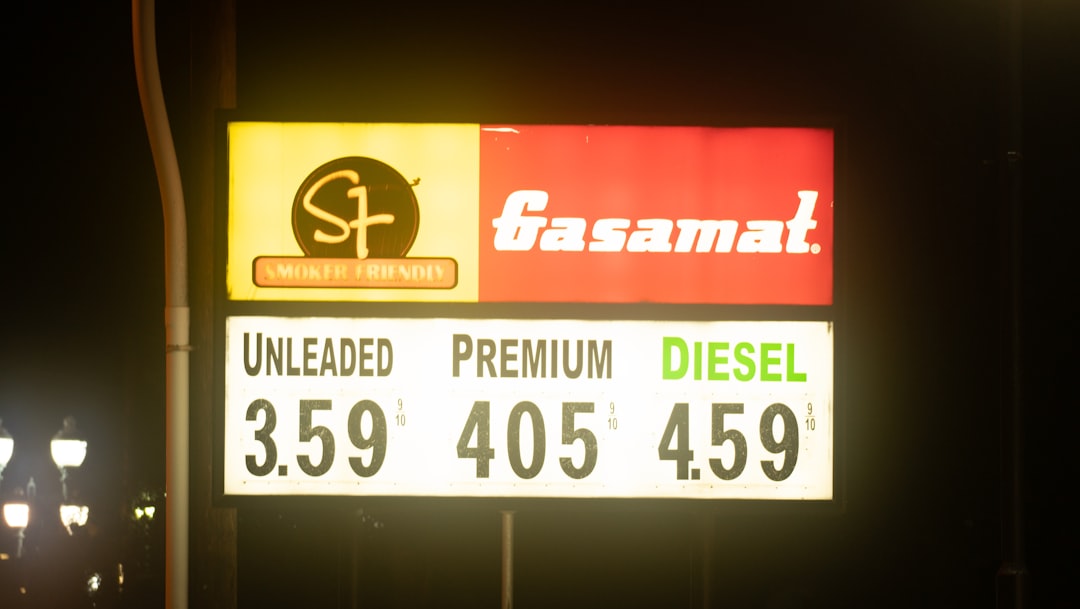
With petrol prices soaring across Australia, drivers are feeling the pinch at every service station. What once cost $60 to fill up your tank now easily exceeds $80, and for those who drive regularly—particularly rideshare drivers—these fuel costs are eating into profits and household budgets alike. If you’re tired of watching your hard-earned money disappear at the bowser, it might be time to consider a smarter alternative: hybrid vehicle rentals.
The numbers don’t lie. With fuel prices Australia reaching unprecedented levels and showing no signs of significant relief, hybrid vehicles offer a practical solution that can save drivers thousands of dollars annually. For Brisbane residents and rideshare drivers especially, the mathematics of hybrid rentals is becoming increasingly compelling.
The Current State of Fuel Prices in Australia
Australia’s fuel market has experienced dramatic volatility in recent years, with prices reaching levels that would have seemed unthinkable just a decade ago. The fuel price increase hybrid demand has created a perfect storm where traditional petrol vehicles are becoming increasingly expensive to operate, while hybrid alternatives offer substantial relief.
Breaking Down the Numbers
Current average petrol prices across major Australian cities hover around $1.60-$1.80 per litre, with premium unleaded commanding even higher rates. For the average Australian driver covering 15,000 kilometres annually, a conventional petrol vehicle consuming 9 litres per 100 kilometres translates to approximately $2,160 in annual fuel costs—and that’s being conservative.
Compare this to a hybrid vehicle like the Haval Jolion Hybrid, which achieves approximately 4.5 litres per 100 kilometres. The same 15,000-kilometre journey costs roughly $1,080 in fuel—a saving of over $1,000 annually for average drivers. For rideshare drivers who might cover 30,000-50,000 kilometres per year, these savings multiply dramatically.
Factors Driving Fuel Price Increases
Understanding why fuel prices continue to climb helps put the hybrid rental decision into perspective:
Global Oil Markets: International crude oil prices directly impact Australian fuel costs, with geopolitical tensions and supply chain disruptions creating ongoing volatility.
Currency Fluctuations: The strength of the Australian dollar against the US dollar affects import costs for refined petroleum products.
Domestic Refining Capacity: Australia’s limited refining capacity means greater reliance on imported refined fuels, adding transportation costs and supply vulnerabilities.
Taxation and Levies: Government taxes and levies constitute a significant portion of the pump price, and these rarely decrease even when crude oil prices stabilise.
The Hidden Costs of Vehicle Ownership
When calculating the true cost of vehicle operation, fuel is just one component of a much larger financial picture. For many Brisbane residents, particularly those working in the rideshare industry, the total cost of vehicle ownership can be surprisingly high.
Beyond the Bowser
Insurance Premiums: Comprehensive vehicle insurance in Brisbane ranges from $800-$2,500 annually, depending on the vehicle value, driver history, and coverage level. For rideshare drivers, specialised rideshare insurance adds another $1,200 annually.
Registration and CTP: Queensland vehicle registration and Compulsory Third Party insurance costs approximately $800-$1,200 per year, depending on the vehicle type and engine size.
Maintenance and Servicing: Regular servicing, unexpected repairs, tyre replacements, and general maintenance easily cost $2,000-$4,000 annually for vehicles in regular use.
Depreciation: Often overlooked but financially significant, vehicle depreciation represents the largest cost of ownership for most drivers, particularly in the first few years.
The Rideshare Driver’s Dilemma
Rideshare drivers face unique financial pressures. High-mileage driving accelerates all ownership costs while requiring reliable, comfortable vehicles that passengers expect. Many drivers find themselves trapped between needing a quality vehicle for their business and struggling with the escalating costs of ownership and operation.
Why Hybrid Vehicles Are the Smart Choice
The fuel price increase hybrid vehicle adoption has accelerated because the technology now offers practical benefits that extend far beyond environmental considerations. For cost-conscious drivers, hybrids represent a mathematically superior choice.
Fuel Efficiency That Actually Matters
Modern hybrid vehicles like the Haval Jolion Hybrid aren’t the compromised, underpowered vehicles that early hybrid technology sometimes produced. Today’s hybrids offer:
Real-World Efficiency: The Haval Jolion Hybrid’s 4.5L/100km consumption isn’t just a laboratory figure—it’s achievable in real Brisbane driving conditions, including stop-start traffic and highway driving.
Urban Driving Advantages: Brisbane’s traffic conditions actually favour hybrid technology. The electric motor assists during acceleration and can power the vehicle entirely during low-speed manoeuvring, precisely when conventional engines are least efficient.
Air Conditioning Benefits: Unlike some economy measures that require sacrifice, hybrid vehicles can run air conditioning more efficiently, crucial for Brisbane’s subtropical climate.
Performance Without Compromise
Modern hybrids deliver the performance characteristics Brisbane drivers expect:
Adequate Power: The combination of petrol engine and electric motor provides responsive acceleration suitable for highway merging and overtaking.
Smooth Operation: Hybrid powertrains often provide smoother, quieter operation than conventional engines, particularly appreciated by rideshare passengers.
Reliability: Established hybrid technology has proven remarkably reliable, with many hybrid vehicles exceeding 300,000 kilometres with minimal issues.
The Mathematics of Hybrid Rental vs. Ownership
For many Brisbane drivers, particularly those in rideshare or high-mileage situations, rental can provide superior financial outcomes compared to ownership, especially when fuel prices Australia continue their upward trajectory.
Rideshare Driver Case Study
Consider a typical rideshare driver covering 40,000 kilometres annually:
Conventional Vehicle Costs:
- Fuel (9L/100km): $2,880
- Insurance (rideshare): $2,000
- Registration/CTP: $1,000
- Maintenance: $3,500
- Depreciation: $8,000
- Total Annual Cost: $17,380
Fair Hybrid Rentals Rideshare Plan:
- Rental (first 6 months): $150/week = $3,900
- Rental (remaining 6 months): $250/week = $6,500
- Fuel (4.5L/100km): $1,440
- Rideshare insurance: $1,200
- Total Annual Cost: $13,040
- Annual Saving: $4,340
Personal Use Driver Case Study
For a personal driver covering 20,000 kilometres annually:
Conventional Vehicle Costs:
- Fuel (9L/100km): $1,440
- Insurance: $1,200
- Registration/CTP: $1,000
- Maintenance: $2,500
- Depreciation: $6,000
- Total Annual Cost: $12,140
Fair Hybrid Rentals Personal Plan:
- Rental: $250/week = $13,000
- Fuel (4.5L/100km): $720
- Total Annual Cost: $13,720
- Additional Cost: $1,580
The personal use scenario shows rental isn’t always cheaper for lower-mileage drivers, but it does provide predictable costs and eliminates the risks of unexpected repairs or major depreciation.
Practical Tips for Maximising Hybrid Rental Value
Getting the Most from Your Hybrid
Understand Hybrid Driving Techniques: Learn to maximise electric motor usage through gentle acceleration and anticipating traffic flow.
Plan Efficient Routes: Use GPS applications that consider traffic conditions to minimise time spent in stop-start traffic.
Maintain Steady Speeds: Highway driving at consistent speeds optimises both petrol engine efficiency and battery charging.
Financial Management Strategies
Track Your Savings: Document fuel savings compared to previous vehicles to quantify the financial benefit.
Budget Predictably: With rental costs fixed and fuel consumption predictable, budget planning becomes more straightforward.
Consider Tax Implications: Rideshare drivers can claim rental costs as business expenses, potentially improving the financial equation further.
Brisbane-Specific Considerations
Local Driving Conditions
Brisbane’s unique geography and climate affect vehicle choice decisions:
Hilly Terrain: Brisbane’s hills favour hybrid technology, as electric motors provide excellent low-speed torque for climbing, while regenerative braking captures energy on descents.
Climate Requirements: Air conditioning is non-negotiable in Brisbane’s climate, making hybrid efficiency advantages even more valuable.
Traffic Patterns: Brisbane’s notorious traffic congestion plays to hybrid strengths, as electric motors excel in stop-start conditions.
Rideshare Market Factors
Airport Runs: Brisbane Airport trips represent significant earning opportunities for rideshare drivers, and hybrid vehicles’ highway efficiency helps maintain profit margins despite distance.
Tourist Expectations: Brisbane’s tourism industry means many rideshare passengers expect comfortable, modern vehicles—hybrid rentals can meet these expectations without the ownership investment.
Competition Advantages: Lower operating costs enable more competitive pricing or higher profit margins per trip.
The Environmental Bonus
While financial considerations drive most rental decisions, the environmental benefits of hybrid vehicles provide additional value:
Reduced Emissions: Lower fuel consumption directly translates to reduced carbon emissions, contributing to Brisbane’s air quality improvement.
Noise Reduction: Electric motor operation reduces urban noise pollution, particularly relevant for early morning or late-night rideshare operations.
Future-Proofing: As environmental regulations potentially tighten, hybrid vehicle experience provides preparation for likely future requirements.
Making the Switch: Practical Considerations
Transition Planning
Trial Period: Consider hybrid rental as a trial before making a purchase decision, allowing real-world experience without commitment.
Insurance Arrangements: For rideshare drivers, arrange appropriate insurance coverage before commencing operations.
Route Familiarisation: Learn optimal routes for your specific driving needs, taking advantage of hybrid efficiency characteristics.
Long-term Strategy
Market Monitoring: Keep watching fuel prices Australia trends to understand ongoing savings potential.
Technology Evolution: Hybrid rental provides access to improving technology without the depreciation risk of ownership.
Flexibility Maintenance: Rental arrangements provide flexibility to adapt to changing personal or business circumstances.
Conclusion: The Clear Choice for Smart Brisbane Drivers
The convergence of rising fuel prices, improving hybrid technology, and flexible rental options creates a compelling case for Brisbane drivers to seriously consider hybrid rentals. With fuel price increase hybrid vehicle adoption accelerating globally, early adopters position themselves advantageously for a future where efficiency matters more than ever.
For rideshare drivers especially, the mathematics are clear: hybrid rentals can save thousands of dollars annually while providing access to reliable, efficient, modern vehicles without the risks and commitments of ownership. Personal drivers benefit from predictable costs, eliminated maintenance headaches, and the satisfaction of making an environmentally responsible choice.
The question isn’t whether fuel prices will continue rising—recent trends suggest they will. The question is whether you’ll continue absorbing these increases or take action to minimise their impact on your budget and business.
Fair Hybrid Rentals’ approach of providing comprehensive, all-inclusive rental packages removes the complexity and risk from the hybrid transition, making it accessible to Brisbane drivers regardless of their credit situation or mechanical knowledge. With locations convenient to Brisbane residents and terms designed for real-world flexibility, the barrier to entry has never been lower.
As fuel prices continue their upward march, hybrid rentals aren’t just a good idea—they’re becoming essential for any driver serious about controlling their transportation costs while maintaining the mobility modern life demands.
Ready to start saving on fuel costs? Contact Fair Hybrid Rentals at (07) 4801 4056 or visit their Bulimba location at 9/15 Barramul Street to discuss how hybrid rental can improve your driving economics.