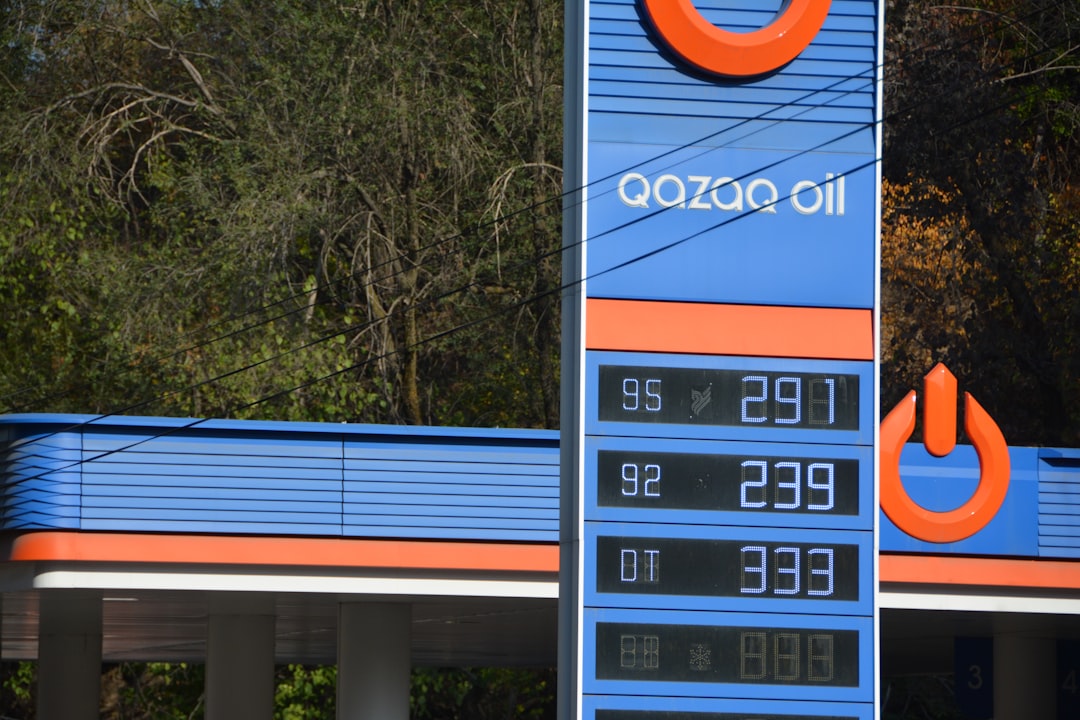
With fuel prices continuing to fluctuate across Australia and environmental consciousness growing among drivers, many are questioning whether hybrid vehicles truly deliver the promised savings over traditional petrol cars. For Brisbane residents, particularly rideshare drivers who clock up serious kilometres, understanding the real-world cost differences between petrol vs hybrid costs isn’t just interesting—it’s essential for making smart financial decisions.
This comprehensive comparison breaks down the actual running costs you can expect from both vehicle types in Australian conditions, helping you make an informed choice about your next car or rental decision.
Understanding the True Cost of Car Ownership
When comparing petrol vs hybrid costs, most people focus solely on fuel expenses. However, the complete picture includes several key factors that significantly impact your bottom line:
- Fuel consumption and costs
- Maintenance and servicing expenses
- Insurance premiums
- Registration and government charges
- Depreciation (for owned vehicles)
- Repair costs over time
For rideshare drivers and high-kilometre users, these costs compound quickly, making the choice between petrol and hybrid particularly crucial.
Fuel Consumption: Where Hybrids Shine
Real-World Fuel Usage in Australian Conditions
Australian driving conditions present unique challenges, from Brisbane’s stop-start traffic to highway driving across vast distances. Here’s how petrol and hybrid vehicles typically perform:
Typical Petrol Vehicle Consumption:
- City driving: 8-12L/100km
- Highway driving: 6-8L/100km
- Combined average: 9L/100km
Typical Hybrid Vehicle Consumption:
- City driving: 4-6L/100km
- Highway driving: 5-7L/100km
- Combined average: 4.5L/100km
The difference becomes stark when you calculate annual fuel costs. With petrol prices averaging $1.70 per litre across Brisbane, a driver covering 25,000km annually would spend:
- Petrol vehicle: $3,825 per year
- Hybrid vehicle: $1,912 per year
- Annual savings: $1,913
For rideshare drivers covering 40,000km or more annually, hybrid running costs deliver even more dramatic savings, potentially exceeding $3,000 per year in fuel alone.
Why Hybrids Excel in City Driving
Brisbane’s traffic patterns particularly favour hybrid technology. The stop-start nature of city driving allows hybrid vehicles to:
- Recover energy through regenerative braking
- Run on electric power during low-speed manoeuvres
- Switch seamlessly between petrol and electric motors for optimal efficiency
This makes hybrids especially appealing for rideshare drivers operating primarily in metropolitan areas.
Maintenance and Servicing: The Hidden Costs
Petrol Vehicle Maintenance
Traditional petrol vehicles require regular maintenance that includes:
- Oil changes: Every 5,000-10,000km ($80-$150)
- Filter replacements: Air, fuel, and oil filters ($50-$100)
- Brake maintenance: More frequent due to traditional braking systems ($200-$400)
- Engine tuning: Regular adjustments and part replacements ($150-$300)
Annual maintenance costs typically range from $800-$1,500 for vehicles in regular use.
Hybrid Vehicle Maintenance
Hybrid vehicles often require less frequent maintenance due to:
- Reduced engine wear: Electric motor assistance reduces petrol engine strain
- Regenerative braking: Less wear on brake pads and discs
- Fewer oil changes: Some hybrids can extend intervals to 15,000km
- Advanced diagnostics: Better monitoring systems prevent major issues
However, hybrid-specific components may require specialised servicing, with annual costs typically ranging from $600-$1,200.
Annual maintenance savings with hybrids: $200-$500
Insurance Considerations
Insurance premiums vary based on vehicle value, safety ratings, and theft statistics. Hybrid vehicles often benefit from:
- Lower comprehensive premiums: Due to safety features and driver demographics
- Government incentives: Some insurers offer discounts for environmentally friendly vehicles
- Lower theft rates: Hybrids are statistically less likely to be stolen
For rideshare operators, insurance costs can vary significantly, with hybrid vehicles sometimes qualifying for better rates due to their safety profiles and the responsible driving habits often associated with hybrid owners.
Government Charges and Incentives
Registration and CTP
Standard registration and Compulsory Third Party (CTP) insurance costs remain similar between petrol and hybrid vehicles in Queensland. However, some states offer registration discounts for low-emission vehicles.
Road User Charges
Queensland currently doesn’t impose additional charges on electric or hybrid vehicles, unlike some other Australian states. This may change as governments adapt to reduced fuel tax revenue from more efficient vehicles.
Total Cost of Ownership Comparison
Annual Cost Breakdown (25,000km per year)
Petrol Vehicle:
- Fuel: $3,825
- Maintenance: $1,200
- Insurance: $1,800
- Registration/CTP: $800
- Total: $7,625
Hybrid Vehicle:
- Fuel: $1,912
- Maintenance: $900
- Insurance: $1,700
- Registration/CTP: $800
- Total: $5,312
Annual savings with hybrid: $2,313
Long-Term Financial Impact
Over five years, the savings from hybrid running costs compound significantly:
- Five-year petrol costs: $38,125
- Five-year hybrid costs: $26,560
- Total savings: $11,565
For high-kilometre users like rideshare drivers, these savings can exceed $20,000 over five years.
Practical Considerations for Australian Drivers
Climate Impact on Performance
Australia’s diverse climate affects both petrol and hybrid vehicles:
Hot Weather Effects:
- Air conditioning increases fuel consumption in both vehicle types
- Hybrids may see reduced battery efficiency in extreme heat
- Petrol engines work harder in hot conditions
Cold Weather Benefits:
- Brisbane’s mild winters favour hybrid battery performance
- Less impact on fuel efficiency compared to colder Australian cities
Infrastructure and Support
Brisbane’s growing hybrid support network includes:
- Increasing number of hybrid-qualified mechanics
- Parts availability improving for popular models
- Roadside assistance familiar with hybrid systems
When Hybrids Make Most Sense
Ideal Candidates for Hybrid Vehicles
Rideshare Drivers:
- High annual kilometres maximise fuel savings
- City driving suits hybrid technology
- Professional use justifies investment
Urban Commuters:
- Daily city driving benefits from hybrid efficiency
- Regular use justifies the technology premium
Environmentally Conscious Drivers:
- Reduced emissions without range anxiety
- Lower overall environmental impact
When Petrol Might Still Win
Occasional Drivers:
- Low annual kilometres reduce savings potential
- Fixed costs become proportionally higher
Remote Area Drivers:
- Limited hybrid service networks in rural areas
- Highway driving reduces hybrid advantages
Making the Switch: Rental vs. Purchase
For many Brisbane residents, especially rideshare drivers, long-term hybrid rental presents an attractive alternative to purchasing. This approach offers:
- Immediate access to hybrid technology without large upfront costs
- Inclusive servicing and maintenance removing uncertainty
- Flexibility to adapt as needs change
- Predictable costs for better business planning
Modern hybrid rental solutions can provide comprehensive packages that include insurance, maintenance, and roadside assistance, making the total cost comparison even more favourable.
The Future of Running Costs
Emerging Trends
Several factors will continue to influence petrol vs hybrid costs:
Fuel Price Volatility:
- Global events continue affecting petrol prices
- Hybrid savings increase with higher fuel costs
Technology Improvements:
- Newer hybrids achieve even better efficiency
- Maintenance costs decreasing as technology matures
Government Policy:
- Potential incentives for low-emission vehicles
- Possible charges on high-emission vehicles
Making Future-Proof Decisions
When evaluating hybrid running costs, consider:
- Your typical driving patterns: City vs. highway usage
- Annual kilometres: Higher usage increases savings potential
- Local fuel price trends: Historical patterns in your area
- Technology adoption: How quickly you adapt to new features
Maximising Your Hybrid Savings
Driving Techniques for Optimal Efficiency
Gentle Acceleration:
- Smooth acceleration maximises electric motor use
- Aggressive starts force petrol engine engagement
Regenerative Braking:
- Plan stops to maximise energy recovery
- Coast to traffic lights rather than late braking
Speed Management:
- Maintain steady speeds when possible
- Use cruise control on highways
Maintenance Best Practices
Regular Servicing:
- Follow manufacturer schedules precisely
- Use qualified hybrid technicians
Battery Care:
- Avoid deep discharge cycles
- Keep the vehicle active with regular use
Your Next Steps
Understanding petrol vs hybrid costs is just the first step—the key is finding a solution that fits your specific needs and circumstances. For Brisbane residents, particularly those in rideshare or high-kilometre situations, hybrid running costs typically deliver substantial savings that compound over time.
Whether you’re considering purchasing, leasing, or renting, the mathematics clearly favour hybrid technology for most Australian driving patterns. The combination of fuel savings, reduced maintenance, and improving support infrastructure makes hybrids an increasingly sensible choice.
If you’re ready to experience these savings firsthand, consider starting with a long-term rental to test hybrid technology in your real-world conditions. Fair Hybrid Rentals at 9/15 Barramul Street, Bulimba offers comprehensive hybrid rental solutions that let you experience the benefits without the commitment of purchase. Call (07) 4801 4056 to discuss how hybrid savings could work for your specific situation.
The transition to hybrid technology isn’t just about environmental responsibility—it’s about smart financial planning that puts money back in your pocket every time you drive.