With fuel prices continuing to rise across Australia and environmental consciousness becoming increasingly important, hybrid cars have emerged as a practical solution for many Brisbane residents. Whether you’re a rideshare driver looking to maximise your earnings or someone considering more economical transport options, understanding how hybrid cars work and their potential savings can help you make an informed decision about your next vehicle choice.
In this comprehensive guide, we’ll explore everything you need to know about hybrid technology, from the mechanics behind these innovative vehicles to the real-world benefits they offer Australian drivers. By the end, you’ll have a clear understanding of why hybrid cars are becoming the go-to choice for cost-conscious motorists across Brisbane and beyond.
What Are Hybrid Cars?
Hybrid cars combine a traditional internal combustion engine with one or more electric motors, creating a powertrain that’s more fuel-efficient than conventional petrol vehicles. Unlike fully electric vehicles, hybrids don’t require external charging – they generate and store their own electricity through regenerative braking and engine operation.
The term “hybrid” refers to the dual power sources working together to optimise fuel consumption while maintaining the convenience and range that Australian drivers expect. These vehicles automatically switch between electric and petrol power, or combine both, depending on driving conditions and power requirements.
Types of Hybrid Systems
There are three main types of hybrid vehicles available in the Australian market:
Full Hybrids (HEV): These can run on electric power alone at low speeds, petrol power, or a combination of both. The Toyota Prius and Camry Hybrid are popular examples in this category.
Mild Hybrids (MHEV): These use a smaller electric motor to assist the petrol engine but cannot run on electric power alone. Many modern vehicles, including the Haval Jolion Hybrid, utilise this technology for improved efficiency.
Plug-in Hybrids (PHEV): These feature larger battery packs that can be charged externally, allowing for extended electric-only driving range before the petrol engine activates.
How Hybrid Cars Work: The Technology Behind the Savings
Understanding how hybrid cars work helps explain why they’re so effective at reducing fuel consumption and operating costs. The system consists of several key components working in harmony:
The Electric Motor System
The electric motor in a hybrid vehicle serves multiple purposes. During acceleration, it provides additional power to assist the petrol engine, reducing the load and improving efficiency. At low speeds, such as in stop-start city traffic common in Brisbane, the electric motor can power the vehicle independently, using zero petrol.
Regenerative Braking Technology
One of the most ingenious aspects of hybrid technology is regenerative braking. When you brake or coast, the electric motor reverses its function and becomes a generator, converting the vehicle’s kinetic energy back into electricity. This energy is stored in the hybrid battery for later use, effectively capturing energy that would otherwise be lost as heat in traditional braking systems.
Intelligent Power Management
Modern hybrid systems use sophisticated computer controls to determine the most efficient power source for any given situation. When you’re cruising at highway speeds, the petrol engine typically takes over for optimal efficiency. During city driving with frequent stops, the system maximises electric motor usage to reduce fuel consumption.
Battery Technology
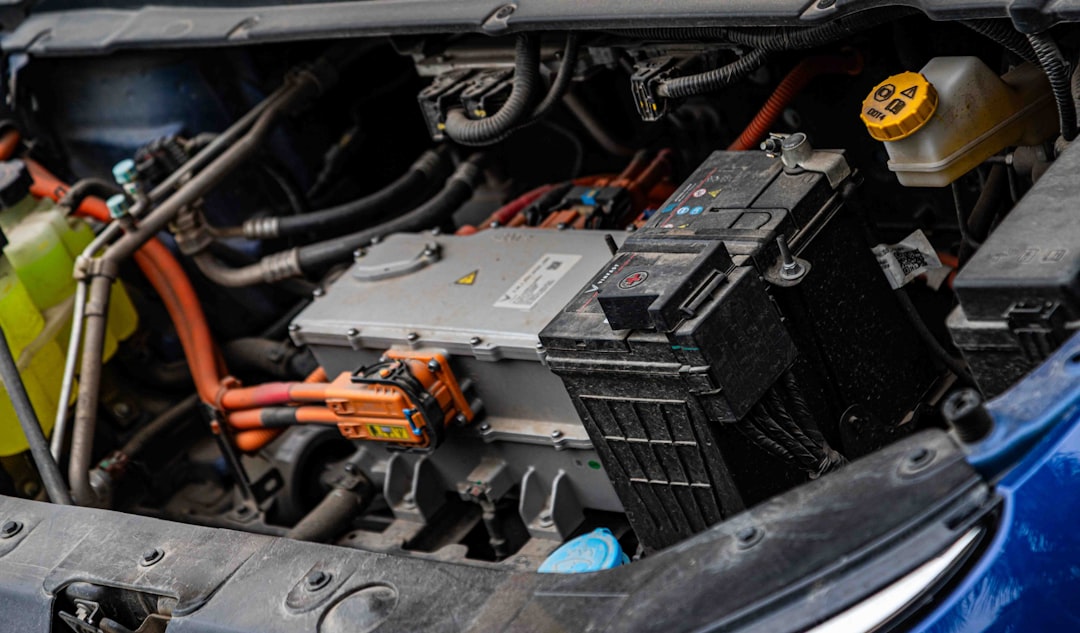
Hybrid vehicles use high-voltage batteries (separate from the 12V starter battery) to store electrical energy. These batteries are designed to handle thousands of charge-discharge cycles and typically come with extended warranties. The battery management system ensures optimal performance and longevity by monitoring temperature, charge levels, and usage patterns.
Real-World Fuel Savings: What Brisbane Drivers Can Expect
The fuel savings hybrid vehicles offer are substantial, particularly given Australia’s current petrol prices. Here’s a detailed breakdown of what you can expect:
Consumption Comparison
A typical hybrid vehicle like the Haval Jolion Hybrid achieves approximately 4.5 litres per 100 kilometres in mixed driving conditions. Compare this to equivalent petrol vehicles that often consume around 9 litres per 100 kilometres, and the savings become immediately apparent.
Annual Savings Calculation
For drivers covering 25,000 kilometres annually (typical for rideshare drivers), the fuel consumption difference translates to significant savings:
- Hybrid vehicle: 1,125 litres per year (25,000km ÷ 100 × 4.5L)
- Petrol vehicle: 2,250 litres per year (25,000km ÷ 100 × 9L)
- Annual fuel saving: 1,125 litres
At current Brisbane petrol prices averaging around $1.60-$1.80 per litre, this represents approximately $1,800-$2,000 in annual fuel savings for high-kilometre drivers. For those driving even more kilometres, such as full-time rideshare operators, savings can reach $5,000 annually.
City vs Highway Performance
Hybrid vehicles excel particularly in city driving conditions, where frequent stopping and starting allow maximum utilisation of the electric motor and regenerative braking. Brisbane’s traffic conditions, with regular congestion on major arterials like the M1 and inner-city streets, create ideal scenarios for hybrid efficiency.
Additional Cost Benefits Beyond Fuel Savings
While fuel economy is the most obvious benefit, hybrid cars offer several other financial advantages for Australian drivers:
Reduced Maintenance Costs
Hybrid vehicles typically require less frequent servicing of certain components. The petrol engine experiences less wear due to the electric motor assistance, potentially extending service intervals. Brake pads last longer thanks to regenerative braking reducing reliance on friction brakes.
Government Incentives
Various Australian states offer incentives for low-emission vehicles. While these change over time, they can include reduced registration fees, exemptions from certain tolls, or access to special parking rates in some council areas.
Resale Value
Hybrid vehicles typically maintain stronger resale values compared to equivalent petrol models, as demand for fuel-efficient vehicles continues to grow among cost-conscious buyers.
Insurance Considerations
Many insurance companies now offer discounts for hybrid and low-emission vehicles, recognising their lower environmental impact and often superior safety ratings.
Choosing the Right Hybrid for Your Needs
When considering a hybrid vehicle in Brisbane, several factors should influence your decision:
Driving Patterns
Consider your typical driving conditions. If you primarily drive in the city with frequent stops, a full hybrid system will provide maximum benefits. For mixed city and highway driving, mild hybrid systems can offer excellent efficiency improvements.
Vehicle Size and Type
Hybrid technology is now available across various vehicle categories, from compact cars to SUVs. The Haval Jolion Hybrid, for example, provides the practicality of an SUV while maintaining excellent fuel efficiency.
Total Cost of Ownership
When evaluating hybrid options, consider the complete financial picture including purchase price, fuel costs, maintenance, insurance, and resale value over your intended ownership period.
Hybrid Cars and Brisbane’s Climate
Brisbane’s subtropical climate and driving conditions actually favour hybrid vehicle performance:
Temperature Benefits
Unlike extreme cold climates where battery performance can be affected, Brisbane’s mild winters ensure consistent hybrid system efficiency year-round.
Traffic Patterns
The city’s traffic patterns, with regular congestion and stop-start conditions, create optimal scenarios for hybrid systems to demonstrate their efficiency advantages.
Infrastructure Development
Brisbane’s growing charging infrastructure, while primarily for electric vehicles, indicates the city’s commitment to supporting alternative fuel technologies.
Making Hybrid Cars More Accessible
For many Brisbane residents, the upfront cost of purchasing a hybrid vehicle can be prohibitive, despite the long-term savings. This is where alternative access models become valuable. Long-term rental options can provide immediate access to hybrid technology without the significant initial investment.
Fair Hybrid Rentals addresses this barrier by offering comprehensive rental packages that include all ownership costs – comprehensive insurance, servicing, registration, CTP insurance, and roadside assistance. For rideshare drivers, this can be particularly valuable, as the rideshare plan offers unlimited kilometres with no credit check required, making hybrid technology accessible to more drivers.
The financial model becomes even more attractive when considering that traditional rental companies often charge $280-$450 per week for similar hybrid vehicles, making specialized long-term hybrid rental a cost-effective alternative to both purchasing and conventional short-term rental.
Environmental Impact: Beyond Personal Savings
While personal financial benefits are compelling, hybrid cars also contribute to broader environmental goals:
Reduced Emissions
Lower fuel consumption directly translates to reduced carbon emissions. A hybrid vehicle producing half the emissions of an equivalent petrol vehicle makes a meaningful contribution to air quality improvement.
Urban Air Quality
In congested city areas, the ability of hybrid vehicles to run on electric power at low speeds helps reduce local air pollution, particularly important in dense urban environments.
Resource Efficiency
By maximising the efficiency of liquid fuel usage, hybrid vehicles help extend Australia’s fuel resources and reduce dependence on fuel imports.
Common Myths About Hybrid Cars Debunked
Several misconceptions persist about hybrid vehicles that may deter potential users:
“Hybrids Are Underpowered”
Modern hybrid systems often provide better acceleration than equivalent petrol vehicles due to the instant torque delivery from electric motors.
”Battery Replacement Is Expensive”
Hybrid batteries are designed to last the vehicle’s lifetime in most cases, with warranties typically extending 8-10 years or more.
”Hybrids Require Special Maintenance”
Apart from the hybrid-specific components, maintenance requirements are similar to conventional vehicles, often with reduced frequency due to less engine wear.
The Future of Hybrid Technology in Australia
As Australia transitions toward lower-emission transport, hybrid vehicles represent a practical stepping stone that addresses current infrastructure limitations while providing immediate benefits:
Technology Advancement
Ongoing improvements in battery technology, electric motor efficiency, and system integration continue to enhance hybrid vehicle performance and affordability.
Market Growth
Increasing availability of hybrid models across all vehicle categories provides consumers with more choices to suit their specific needs.
Infrastructure Development
While not dependent on charging infrastructure like pure electric vehicles, hybrids benefit from supportive government policies and increasing environmental awareness.
Conclusion
Hybrid cars represent a mature, practical solution for Brisbane drivers seeking to reduce fuel costs while maintaining the convenience and reliability of conventional vehicles. With fuel savings hybrid technology offering potential annual savings of thousands of dollars for high-kilometre drivers, combined with reduced maintenance costs and environmental benefits, the case for hybrid adoption is compelling.
Understanding how hybrid cars work – from regenerative braking to intelligent power management – helps appreciate why these vehicles are so effective at reducing fuel consumption. For rideshare drivers and others covering high annual kilometres, the financial benefits are particularly significant.
The key to maximising hybrid benefits lies in choosing the right vehicle for your specific needs and driving patterns, then accessing it through the most cost-effective means available. Whether through purchase, finance, or innovative long-term rental solutions, hybrid technology is now more accessible than ever to Brisbane drivers.
As fuel prices continue to rise and environmental consciousness grows, hybrid vehicles offer a proven path to reduced operating costs and environmental impact. For Brisbane residents considering their next vehicle choice, hybrid technology deserves serious consideration as a practical, cost-effective solution that delivers real-world benefits from day one.
Ready to experience the benefits of hybrid driving? Contact Fair Hybrid Rentals at (07) 4801 4056 or visit us at 9/15 Barramul Street, Bulimba to learn more about accessing hybrid technology through flexible rental options designed for Brisbane drivers.