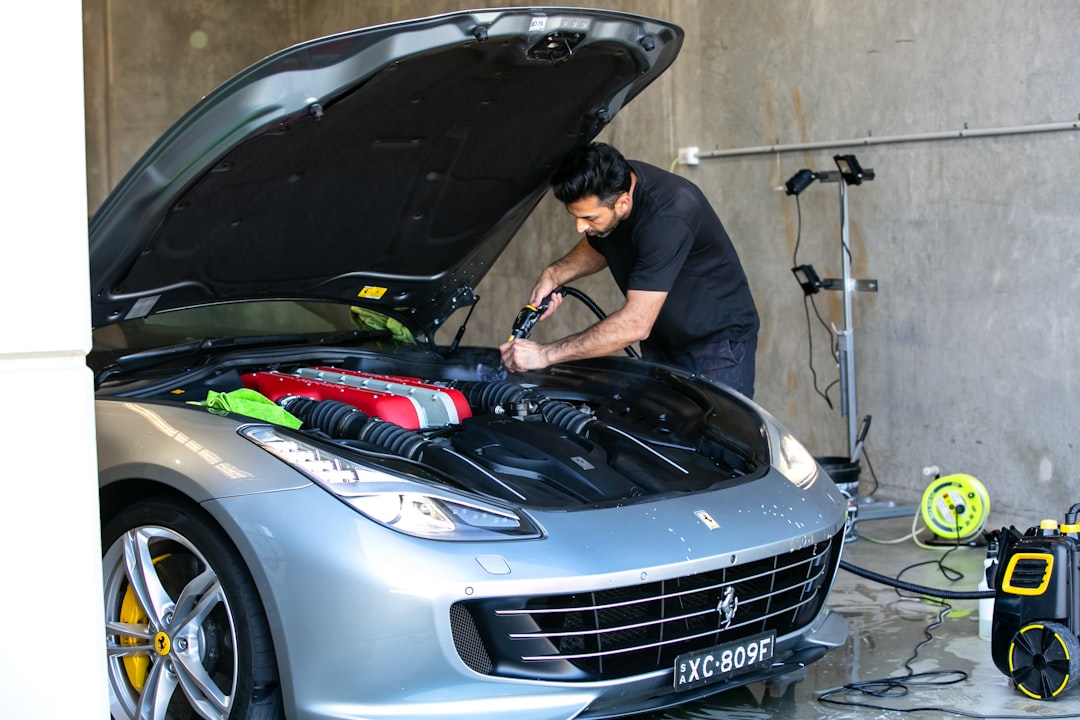
If you’ve been hesitant about making the switch to hybrid vehicles, maintenance concerns might be holding you back. The good news? Hybrid car maintenance is actually simpler and often more affordable than you might think. In fact, many hybrid owners are pleasantly surprised to discover they’re spending less on servicing and repairs compared to their previous petrol vehicles.
Let’s debunk the myths and explore what hybrid maintenance really involves, so you can make an informed decision about whether a hybrid is right for your Brisbane driving needs.
The Reality of Hybrid Car Maintenance Costs
One of the biggest misconceptions about hybrid vehicles is that they’re expensive to maintain due to their dual powertrain system. However, data from the Australian automotive industry tells a different story. Hybrid service costs are typically 10-20% lower than equivalent petrol vehicles over the long term.
Here’s why: hybrid engines actually work less hard than traditional petrol engines. The electric motor shares the workload, meaning less wear and tear on engine components. This translates to longer intervals between major services and fewer component replacements.
What Makes Hybrid Maintenance Different
Hybrid vehicles combine a petrol engine with an electric motor and battery system. While this might sound complex, the reality is that many maintenance tasks are actually eliminated or reduced:
- Brake pads last longer due to regenerative braking
- Engine oil changes may be required less frequently as the petrol engine doesn’t run continuously
- Transmission wear is reduced thanks to the CVT (Continuously Variable Transmission) common in hybrids
- Exhaust system components experience less stress
Essential Hybrid Maintenance Tasks
Regular Service Requirements
Most hybrid vehicles, including popular models like the Haval Jolion Hybrid, follow a standard service schedule similar to petrol vehicles. Typical maintenance includes:
Every 6 months or 10,000km:
- Engine oil and filter change
- Basic safety inspection
- Tyre rotation and pressure check
- Fluid level checks
Every 12 months or 20,000km:
- Comprehensive inspection
- Air filter replacement
- Brake system check
- Battery system diagnostic
Every 2-3 years:
- Coolant system service (both engine and battery cooling)
- Spark plug replacement
- Major system diagnostics
Hybrid-Specific Maintenance
The electric components in hybrid vehicles require minimal maintenance, but there are a few hybrid-specific considerations:
Battery System: The high-voltage battery typically lasts 8-10 years or 160,000-200,000km. Most manufacturers provide extended warranties on hybrid batteries, and modern systems include sophisticated monitoring to prevent damage.
Cooling Systems: Hybrids have additional cooling systems for the battery and power electronics. These require occasional coolant changes but are generally low-maintenance.
Electrical Connections: Annual inspection of high-voltage connections ensures optimal performance and safety.
Cost Breakdown: Hybrid vs Petrol Maintenance
Let’s look at real-world hybrid service costs compared to equivalent petrol vehicles in Australia:
Annual Maintenance Costs (Average)
Hybrid Vehicle:
- Regular services: $800-$1,200
- Brake maintenance: $200-$300 (less frequent due to regenerative braking)
- Unexpected repairs: $300-$500
- Total: $1,300-$2,000 annually
Equivalent Petrol Vehicle:
- Regular services: $900-$1,400
- Brake maintenance: $400-$600
- Unexpected repairs: $400-$700
- Total: $1,700-$2,700 annually
These figures don’t include the significant fuel savings. With current Australian fuel prices, a hybrid using 4.5L/100km versus a petrol car using 9L/100km can save approximately $5,000 annually in fuel costs alone.
Maximising Your Hybrid’s Reliability
Simple Steps for Optimal Performance
Keep It Cool: Ensure your hybrid’s cooling systems are functioning properly. Park in shade when possible and don’t ignore any temperature warning lights.
Gentle Acceleration: While hybrids can be peppy, smooth acceleration and braking maximise efficiency and reduce component wear.
Regular Short Trips: Unlike petrol cars that prefer highway driving, hybrids excel in stop-start city driving. The electric motor handles low-speed manoeuvring efficiently.
Maintain Proper Tyre Pressure: Hybrids often use low-rolling-resistance tyres. Maintaining correct pressure is crucial for efficiency and safety.
Warning Signs to Watch For
Most hybrid issues provide early warning signs:
- Dashboard warning lights (never ignore these)
- Unusual noises during electric-only operation
- Reduced fuel efficiency
- Difficulty starting or rough idling
Addressing these promptly prevents minor issues from becoming major expenses.
Brisbane-Specific Considerations
Climate Factors
Brisbane’s subtropical climate is actually ideal for hybrid vehicles. The warm temperatures mean:
- Battery performance remains consistent year-round
- No cold-weather starting issues common in colder climates
- Air conditioning usage is optimised through the hybrid system
Service Network
Brisbane has excellent hybrid service infrastructure. Authorised service centres are readily available, and many independent mechanics now specialise in hybrid maintenance. This competition keeps hybrid service costs competitive.
Rideshare Considerations
For rideshare drivers in Brisbane, hybrid maintenance becomes even more cost-effective. Higher kilometre usage amplifies the fuel savings, while the reduced engine wear from stop-start driving (common in rideshare work) means maintenance costs per kilometre actually decrease.
Common Hybrid Maintenance Myths Debunked
Myth 1: “Hybrid batteries always need expensive replacement”
Reality: Modern hybrid batteries are designed to last the vehicle’s lifetime. Toyota, for example, reports that less than 1% of their hybrid batteries require replacement outside the warranty period.
Myth 2: “Only dealers can service hybrids”
Reality: While complex electrical work should be done by certified technicians, routine maintenance can be performed at most reputable service centres.
Myth 3: “Hybrid maintenance requires special tools and costs more”
Reality: Most hybrid car maintenance uses standard tools and procedures. The additional diagnostic equipment is widely available and doesn’t significantly impact service costs.
Making Hybrid Maintenance Work for Your Budget
Warranty Considerations
Most hybrids come with extended warranties on the hybrid system components. Understanding your warranty coverage helps you plan maintenance costs effectively.
Service Plan Options
Many manufacturers offer prepaid service plans that can reduce costs and provide predictable budgeting. For rental vehicles, comprehensive packages often include all maintenance, removing the uncertainty entirely.
DIY Maintenance
While high-voltage components require professional attention, basic maintenance like checking fluids, replacing air filters, and monitoring tyre pressure can be done at home, just like with petrol vehicles.
The Long-Term Financial Picture
When evaluating hybrid service costs, consider the total cost of ownership:
Year 1-3: Similar maintenance costs to petrol vehicles, with significant fuel savings Year 4-7: Reduced maintenance costs become apparent as brake components and engine wear advantages accumulate Year 8+: Major savings as traditional vehicle components require replacement while hybrid systems continue operating efficiently
For Brisbane drivers, especially those doing high kilometres for rideshare or delivery work, these savings can be substantial. The combination of reduced fuel consumption and lower maintenance costs often results in savings of $6,000-$8,000 annually compared to equivalent petrol vehicles.
Planning Your Hybrid Journey
Whether you’re considering purchasing a hybrid or exploring rental options, understanding maintenance requirements helps you make an informed decision. Hybrid car maintenance doesn’t need to be a barrier to adoption – in fact, it’s often a compelling reason to make the switch.
For those testing the waters, long-term hybrid rentals offer an excellent opportunity to experience the maintenance benefits firsthand without the commitment of purchase. You can evaluate real-world costs, become familiar with hybrid-specific requirements, and make decisions based on actual experience rather than assumptions.
The evidence is clear: hybrid vehicles offer not just environmental benefits and fuel savings, but also simplified, cost-effective maintenance. As Brisbane continues to embrace sustainable transport options, understanding these advantages helps drivers make choices that benefit both their wallets and the environment.
With proper care and regular maintenance, a hybrid vehicle will provide reliable, efficient transportation while keeping service costs surprisingly manageable. The technology has matured to the point where hybrid service costs are no longer a concern – they’re actually an advantage.