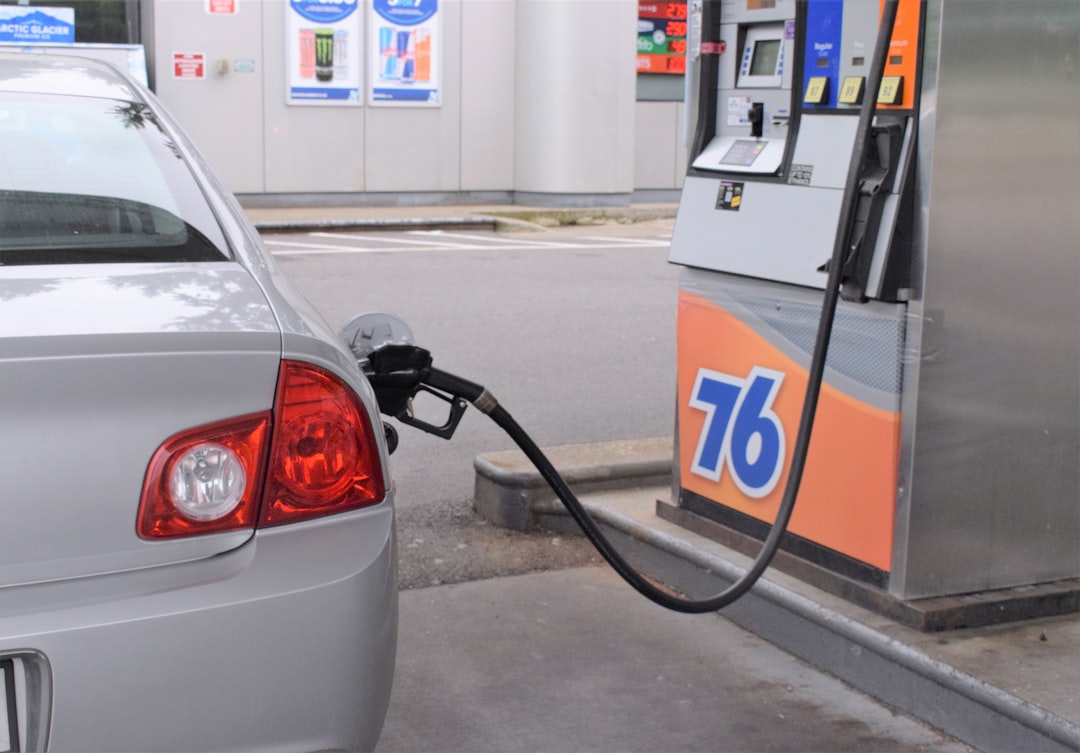
Rising fuel prices have become a constant concern for Australian drivers, with petrol prices fluctuating dramatically over recent years. Whether you’re driving for work, leisure, or operating a rideshare business, fuel costs can significantly impact your budget. This has led many Brisbane residents to explore hybrid car fuel savings as a practical solution to reduce their running costs.
But how much can you actually save by switching to a hybrid vehicle? The answer might surprise you – particularly when you consider the current state of Australia’s fuel market and the impressive efficiency gains offered by modern hybrid technology. In this comprehensive guide, we’ll break down the real numbers behind hybrid fuel savings, explore what makes these vehicles so efficient, and help you understand whether making the switch could benefit your specific driving needs.
Understanding Hybrid Car Technology and Fuel Efficiency
Hybrid vehicles combine a traditional internal combustion engine with an electric motor and battery system, creating a powertrain that optimises fuel consumption in ways conventional cars simply cannot match. The most fuel efficient hybrid cars available today use sophisticated computer systems to seamlessly switch between electric and petrol power, depending on driving conditions.
The key to hybrid efficiency lies in regenerative braking and intelligent power management. When you brake or coast, the electric motor acts as a generator, capturing energy that would otherwise be lost as heat and storing it in the battery. This recovered energy then powers the vehicle during low-speed driving, acceleration assistance, and stop-start traffic situations where conventional engines are least efficient.
Modern hybrid systems also shut off the petrol engine completely during certain driving conditions – such as parking manoeuvres, traffic queues, or gentle cruising speeds. This feature alone can deliver substantial fuel savings, particularly for city driving where stop-start conditions are common.
Real-World Fuel Consumption Figures
To understand the true scale of hybrid car fuel savings, let’s examine some concrete numbers. A typical modern hybrid vehicle, such as the Haval Jolion Hybrid, achieves approximately 4.5 litres per 100 kilometres in mixed driving conditions. Compare this to a conventional petrol vehicle of similar size and performance, which typically consumes around 9 litres per 100 kilometres, and the efficiency advantage becomes immediately apparent.
This difference translates to a 50% reduction in fuel consumption – a significant saving that compounds over time and distance. For Brisbane drivers who cover substantial distances, whether for work, family commitments, or rideshare driving, this efficiency improvement can result in meaningful cost reductions.
Breaking Down the Numbers: Annual Fuel Savings
Let’s calculate the potential annual savings based on current Australian fuel prices and typical driving patterns. With petrol prices in Brisbane averaging around $1.60-$1.80 per litre (varying with market conditions), the fuel cost difference between hybrid and conventional vehicles becomes substantial over a full year of driving.
Average Annual Driving Scenarios
Scenario 1: Moderate Personal Use (15,000km annually)
- Hybrid vehicle (4.5L/100km): 675 litres × $1.70 = $1,148
- Conventional vehicle (9L/100km): 1,350 litres × $1.70 = $2,295
- Annual saving: $1,147
Scenario 2: High-Mileage Personal Use (25,000km annually)
- Hybrid vehicle: 1,125 litres × $1.70 = $1,913
- Conventional vehicle: 2,250 litres × $1.70 = $3,825
- Annual saving: $1,912
Scenario 3: Rideshare/Commercial Use (50,000km annually)
- Hybrid vehicle: 2,250 litres × $1.70 = $3,825
- Conventional vehicle: 4,500 litres × $1.70 = $7,650
- Annual saving: $3,825
These calculations demonstrate that fuel efficient hybrid cars can deliver savings of up to $5,000 annually for high-mileage drivers, making them particularly attractive for rideshare operators, delivery drivers, and sales professionals who spend significant time on the road.
Factors That Influence Hybrid Fuel Savings
While the headline figures for hybrid car fuel savings are impressive, several factors influence the actual savings you’ll experience in real-world driving conditions. Understanding these variables helps set realistic expectations and maximises the benefits of hybrid technology.
Driving Patterns and Conditions
Hybrid vehicles excel in stop-start traffic and urban environments where regenerative braking and electric-only operation provide the greatest advantages. Brisbane’s traffic conditions, particularly during peak hours on major arterials like the M1, Gympie Road, and Logan Road, create ideal scenarios for hybrid efficiency gains.
Conversely, sustained highway driving at constant speeds reduces the efficiency advantage, as conventional engines operate more efficiently under steady-state conditions. However, even highway driving typically shows 15-25% fuel savings with hybrid technology.
Climate and Seasonal Variations
Brisbane’s subtropical climate generally favours hybrid efficiency, as extreme cold weather can reduce battery performance in some systems. However, air conditioning use during summer months affects both hybrid and conventional vehicles, though hybrids often manage cooling loads more efficiently through intelligent engine management.
Vehicle Maintenance and Condition
Well-maintained hybrid vehicles deliver optimal fuel savings. Regular servicing ensures the hybrid system operates efficiently, with proper tyre pressures, clean air filters, and correctly functioning hybrid components all contributing to maximum efficiency gains.
Brisbane-Specific Considerations for Hybrid Savings
Brisbane’s unique geography and traffic patterns create specific opportunities for maximising fuel efficient hybrid cars benefits. The city’s river crossings, including the Gateway Bridge, Story Bridge, and Go Between Bridge, involve regular elevation changes that allow hybrid systems to capture significant regenerative braking energy.
Traffic Congestion Benefits
Brisbane’s peak-hour congestion, while frustrating for drivers, actually enhances hybrid fuel savings. The frequent stopping and starting on major routes like the South East Freeway, Ipswich Motorway, and Bruce Highway maximise opportunities for electric-only operation and energy recovery.
The Brisbane River’s meandering path through the city creates numerous traffic lights and intersections where hybrid technology provides substantial efficiency advantages over conventional vehicles.
Climate Advantages
Brisbane’s mild winters mean hybrid battery systems maintain optimal performance year-round, unlike colder climates where battery efficiency can decline significantly. This consistent performance ensures your hybrid car fuel savings remain stable throughout the year.
Maximising Your Hybrid Fuel Savings
To achieve the best possible fuel efficiency from a hybrid vehicle, consider implementing these practical strategies:
Driving Technique Optimisation
Smooth acceleration and gentle braking maximise energy recovery and electric motor assistance. Anticipating traffic conditions and maintaining steady speeds where possible helps the hybrid system operate most efficiently.
Use the vehicle’s economy driving modes when available, as these settings optimise the balance between electric and petrol power for maximum efficiency.
Route Planning
Brisbane’s extensive road network offers multiple route options for most journeys. Choosing routes with moderate traffic flow rather than completely clear highways can actually improve hybrid efficiency by providing opportunities for regenerative braking and electric operation.
Regular Maintenance
Ensuring your hybrid vehicle receives proper servicing maintains optimal fuel efficiency. This includes regular checks of the hybrid system components, battery condition, and conventional maintenance items like tyre pressures and wheel alignments.
Long-Term Financial Impact
Beyond immediate fuel savings, fuel efficient hybrid cars offer additional long-term financial benefits that compound the initial efficiency advantages.
Reduced Carbon Footprint Incentives
Queensland’s evolving environmental policies may introduce additional incentives for low-emission vehicles, potentially including reduced registration fees, parking incentives, or access to dedicated traffic lanes.
Resale Value Considerations
Hybrid vehicles typically maintain strong resale values due to increasing demand for fuel-efficient transportation and growing environmental awareness among car buyers.
Insurance Implications
Many insurance providers offer discounts for hybrid vehicles, recognising their typically lower accident rates and reduced environmental impact.
Making the Switch: Practical Considerations
If you’re considering transitioning to a hybrid vehicle to capture these fuel savings, several practical factors deserve consideration.
Purchase vs. Rental Options
For many Brisbane drivers, long-term hybrid rental offers an attractive alternative to purchase, particularly for business use or when testing hybrid technology before committing to ownership. Companies like Fair Hybrid Rentals provide comprehensive packages that include insurance, servicing, and roadside assistance, allowing you to experience hybrid car fuel savings without the upfront capital investment.
Business Use Advantages
Rideshare drivers and delivery operators can particularly benefit from hybrid efficiency, with fuel savings often exceeding $3,000-$5,000 annually. These savings can significantly improve business profitability while reducing environmental impact.
Conclusion
The fuel savings potential of hybrid vehicles is substantial and measurable, particularly for Brisbane drivers who regularly encounter stop-start traffic conditions. With potential annual savings ranging from $1,100 for moderate personal use to $5,000 for high-mileage commercial applications, fuel efficient hybrid cars represent a compelling value proposition in today’s fuel price environment.
The combination of advanced hybrid technology, Brisbane’s traffic patterns, and current fuel prices creates an ideal scenario for maximising these savings. Whether you’re considering hybrid technology for personal use, rideshare operations, or business applications, the fuel efficiency benefits alone often justify the transition.
As fuel prices continue to fluctuate and environmental considerations become increasingly important, hybrid vehicles offer a practical solution that delivers immediate financial benefits while reducing your carbon footprint. The question isn’t whether you can save money with a hybrid car – it’s how much you can save based on your specific driving needs and patterns.
For Brisbane residents interested in experiencing these hybrid car fuel savings firsthand, exploring long-term rental options can provide an excellent opportunity to test the technology and quantify the benefits for your particular situation. With comprehensive packages that eliminate many of the traditional barriers to hybrid adoption, you can start capturing fuel savings immediately while evaluating whether hybrid technology meets your long-term transportation needs.