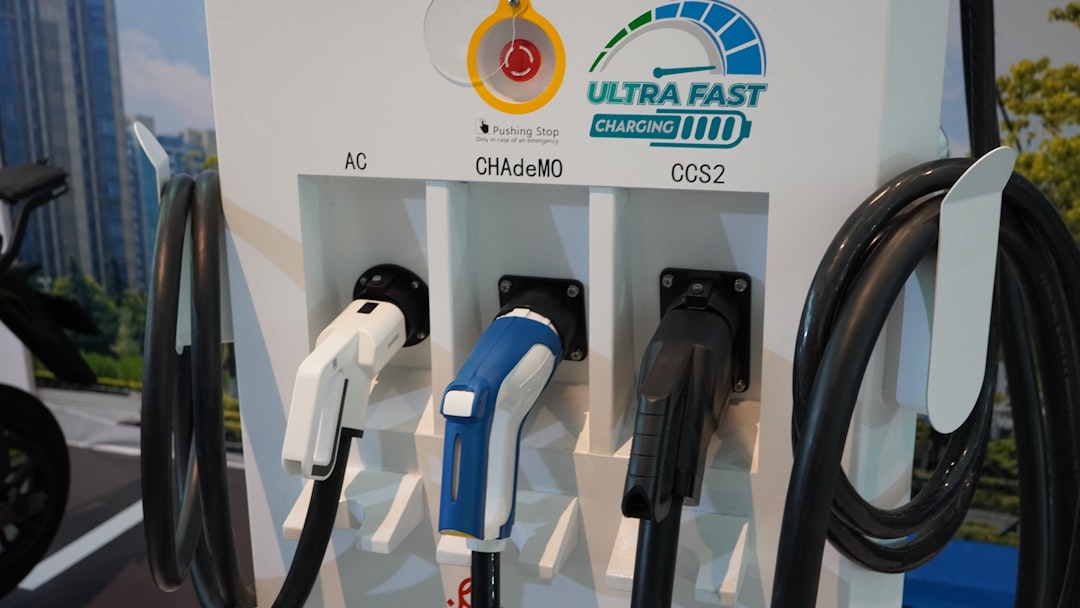
With Australia’s automotive landscape rapidly evolving, many drivers are grappling with a crucial decision: should they go electric or stick with hybrid technology? The electric vs hybrid Australia debate has intensified as fuel prices soar and environmental consciousness grows, particularly among rideshare drivers and urban commuters in Brisbane and beyond.
This comprehensive guide will help you navigate the ev vs hybrid comparison, examining the real-world implications for Australian drivers in 2024. Whether you’re considering a career change to rideshare driving, looking to reduce your carbon footprint, or simply wanting to cut fuel costs, understanding these technologies is essential for making an informed decision.
The Current Australian Automotive Landscape
Australia’s transition to cleaner vehicle technology has been gradual but steady. According to the Federal Chamber of Automotive Industries, hybrid and electric vehicle sales have increased by over 120% year-on-year, though they still represent a smaller portion of total sales compared to global markets.
The Australian government’s commitment to net-zero emissions by 2050 has sparked increased interest in alternative fuel vehicles, with various state incentives supporting the transition. However, Australia’s unique geography, climate, and infrastructure present distinct challenges that influence the electric vs hybrid Australia decision.
For many Australians, particularly those in Queensland’s sprawling cities like Brisbane, the choice between electric and hybrid isn’t just about environmental impact—it’s about practicality, cost-effectiveness, and reliability.
Understanding Electric Vehicles in Australia
The Electric Advantage
Electric vehicles (EVs) offer zero direct emissions, lower running costs per kilometre, and reduced maintenance requirements. Popular models like the Tesla Model 3, Nissan Leaf, and MG ZS EV have gained traction in Australian markets, particularly in urban areas with developing charging infrastructure.
The benefits of EVs include:
- No petrol costs (charging typically costs 3-5 cents per kilometre)
- Minimal maintenance requirements (no oil changes, fewer moving parts)
- Instant torque and smooth acceleration
- Government incentives in some states
- Future-proofing against potential petrol price volatility
The Electric Reality Check
However, the ev vs hybrid comparison reveals significant challenges for EVs in current Australian conditions:
Range Anxiety: Most affordable EVs offer 250-400km range, which can be limiting for long-distance travel or extensive daily driving—particularly relevant for rideshare drivers who might cover 200-300km per day.
Charging Infrastructure: While improving, Australia’s charging network remains patchy outside major cities. In Queensland, fast-charging stations are primarily located along major highways and in Brisbane’s CBD, with suburban coverage still developing.
Upfront Costs: New EVs typically cost $50,000-$100,000+, making them inaccessible for many drivers. Even used EVs command premium prices compared to equivalent petrol vehicles.
Climate Considerations: Australia’s extreme temperatures can impact battery performance and range, particularly relevant for Queensland’s hot summers.
Hybrid Technology: The Middle Ground
How Hybrids Work in Australian Conditions
Hybrid vehicles combine a petrol engine with an electric motor, offering the flexibility of traditional fuel while providing improved efficiency. The system automatically switches between or combines power sources depending on driving conditions—ideal for Australia’s varied driving environments.
Modern hybrids like the Toyota Camry Hybrid, Haval Jolion Hybrid, and Honda Accord Hybrid deliver exceptional fuel economy while maintaining the convenience of petrol refuelling. This technology has proven particularly effective in Australian conditions, from Brisbane’s stop-start traffic to highway cruising.
The Hybrid Advantage for Australian Drivers
Fuel Efficiency: Current hybrid models achieve approximately 4.5L/100km compared to 9L/100km for equivalent petrol vehicles. At current Australian fuel prices (around $1.70-$1.80 per litre), this translates to annual savings of approximately $5,000 for high-mileage drivers.
No Range Anxiety: Hybrids use existing petrol infrastructure, eliminating concerns about charging availability—crucial for rideshare drivers or those covering long distances.
Lower Entry Cost: Hybrid vehicles are generally more affordable than EVs, with options available from $35,000 new, and increasingly available in the rental market.
Proven Reliability: Hybrid technology has been refined over two decades, with Toyota’s hybrid systems demonstrating exceptional durability in Australian conditions.
Cost Analysis: Electric vs Hybrid Australia
Running Costs Comparison
For Australian drivers, particularly those covering high mileage, running costs often determine the electric vs hybrid Australia decision:
Electric Vehicle Costs:
- Electricity: 3-5 cents per kilometre
- Maintenance: $500-$800 annually
- Registration and insurance: Standard rates (some state discounts apply)
Hybrid Vehicle Costs:
- Fuel: 6-8 cents per kilometre (based on 4.5L/100km consumption)
- Maintenance: $800-$1,200 annually
- Registration and insurance: Standard rates
Annual Cost Example (30,000km/year):
- Electric: $1,800-$2,300 total running costs
- Hybrid: $2,600-$3,600 total running costs
While EVs offer lower running costs, the higher purchase price means the break-even point typically occurs after 3-5 years for high-mileage drivers.
Total Cost of Ownership
The ev vs hybrid total cost comparison must consider:
- Purchase price or rental costs
- Depreciation rates
- Insurance premiums
- Maintenance schedules
- Fuel/electricity costs
- Potential government incentives
For many Australian drivers, particularly those needing immediate access to reliable transportation, hybrid technology currently offers better total cost of ownership.
Infrastructure Considerations
Charging vs Refuelling Infrastructure
Australia’s vast distances and relatively sparse population create unique infrastructure challenges. While petrol stations are ubiquitous, EV charging infrastructure varies dramatically by location.
Queensland Charging Network:
- Brisbane: Good coverage in inner suburbs and CBD
- Gold Coast: Adequate coverage along main corridors
- Regional Queensland: Limited fast-charging options
- Highway networks: Improving but still requires planning
Practical Implications: For rideshare drivers operating in Brisbane, charging infrastructure may be adequate for daily operations, but overnight charging at home becomes essential. Hybrid vehicles eliminate these concerns entirely, using existing fuel infrastructure.
Which Technology Suits Australian Driving Patterns?
Urban Driving (Brisbane, Gold Coast, Sunshine Coast)
Electric Vehicles excel in urban environments with:
- Short daily commutes (under 100km)
- Home charging capability
- Access to workplace or public charging
- Primarily city-based driving
Hybrid Vehicles suit urban drivers who:
- Cover varying daily distances
- Lack reliable home charging
- Require maximum flexibility
- Want fuel efficiency without range concerns
Regional and Highway Driving
For regional Queensland or interstate travel, hybrid technology currently provides superior practicality. The combination of efficiency and conventional refuelling makes hybrids ideal for Australia’s long-distance driving requirements.
Environmental Impact Comparison
Carbon Footprint Analysis
The environmental comparison between electric and hybrid vehicles depends largely on electricity generation sources. In Queensland, where coal still contributes significantly to the energy mix, the environmental advantage of EVs is reduced compared to states with higher renewable energy penetration.
Current Queensland Energy Mix Impact:
- Electric vehicles: 50-70% emissions reduction vs petrol vehicles
- Hybrid vehicles: 40-50% emissions reduction vs petrol vehicles
As Queensland’s renewable energy capacity increases, EVs will become increasingly environmentally superior. However, hybrid vehicles currently offer meaningful environmental benefits while maintaining practical advantages.
Rental vs Purchase: A Practical Alternative
For many Brisbane drivers, particularly those entering rideshare or wanting to trial alternative fuel technology, long-term rental presents an attractive option. This approach allows drivers to experience hybrid or electric technology without the substantial upfront investment.
The rental market has evolved to accommodate this demand, with companies like Fair Hybrid Rentals offering flexible arrangements that include comprehensive insurance, maintenance, and support. This model particularly suits:
- Rideshare drivers needing immediate vehicle access
- Drivers wanting to test hybrid technology before purchasing
- Those requiring guaranteed vehicle reliability without maintenance concerns
The Haval Jolion Hybrid, for example, offers modern hybrid efficiency with SUV practicality—ideal for Brisbane’s diverse driving conditions from urban rideshare to weekend adventures.
Making the Right Choice for Your Situation
Consider Electric If You:
- Have reliable home or workplace charging
- Drive predictable routes under 200km daily
- Primarily operate in urban areas
- Can afford higher upfront costs
- Want maximum environmental impact reduction
Consider Hybrid If You:
- Need maximum driving flexibility
- Cover high daily mileage (rideshare, delivery, sales)
- Lack reliable charging access
- Want immediate fuel cost savings
- Require proven reliability
Consider Rental If You:
- Need immediate vehicle access
- Want to avoid large upfront costs
- Require included maintenance and insurance
- Are starting rideshare driving
- Want to trial technology before purchasing
Future Outlook: What’s Next?
The electric vs hybrid Australia landscape will continue evolving rapidly. Infrastructure development, battery technology improvements, and government policy changes will influence future decisions.
Short-term trends (2024-2026):
- Continued hybrid adoption as infrastructure develops
- Expanding EV charging networks in major cities
- Increased model availability in both categories
- Potential government incentives favouring EVs
Long-term outlook (2027-2030):
- EV price parity with conventional vehicles
- Comprehensive charging infrastructure
- Potential phase-out timelines for petrol vehicles
- Advanced hybrid technologies as bridging solutions
For most Australian drivers today, hybrid technology offers the optimal balance of efficiency, practicality, and cost-effectiveness. As infrastructure develops and costs decrease, EVs will become increasingly viable for broader adoption.
Conclusion
The electric vs hybrid Australia decision ultimately depends on individual circumstances, driving patterns, and priorities. While electric vehicles represent the future of automotive technology, hybrid vehicles currently offer the most practical solution for most Australian drivers, particularly those covering high mileage or requiring maximum flexibility.
For Brisbane drivers considering rideshare, delivery, or simply wanting to reduce fuel costs, hybrid technology provides immediate benefits without the infrastructure concerns associated with EVs. The combination of significant fuel savings—potentially $5,000 annually compared to conventional petrol vehicles—and operational flexibility makes hybrids particularly attractive in 2024.
Whether you choose electric or hybrid, the transition away from conventional petrol vehicles offers both environmental and economic benefits. The key is selecting the technology that best matches your current needs while positioning yourself for Australia’s evolving automotive future.
As infrastructure continues developing and technology costs decrease, today’s choice need not be permanent. Many drivers will likely progress from hybrid to electric as conditions improve, making hybrid technology an excellent stepping stone toward a fully electric future.
For those ready to experience the benefits of hybrid technology without the commitment of purchase, exploring rental options can provide immediate access to fuel savings and environmental benefits while maintaining the flexibility to adapt as the automotive landscape evolves.