Brisbane’s public transport network, while constantly improving, still leaves significant gaps that savvy rideshare drivers are turning into profitable opportunities. As Australia’s third-largest city continues to expand, the disconnect between where people live and where they need to go creates a thriving market for ride-sharing services. Understanding these Brisbane public transport limitations isn’t just academic—it’s the foundation for identifying the most lucrative rideshare opportunity zones across our sprawling subtropical metropolis.
The reality is that Brisbane’s urban sprawl, combined with a transport system that’s still playing catch-up, creates daily frustrations for thousands of commuters. These frustrations translate directly into demand for rideshare services, making Brisbane one of Australia’s most promising markets for drivers who know where to look.
Brisbane’s Public Transport: The Current Landscape
The Network Overview
Brisbane’s public transport system operates under the TransLink umbrella, encompassing buses, trains, ferries, and the relatively new Metro system. While the network covers approximately 10,000 square kilometres across South East Queensland, the reality on the ground tells a different story.
The rail network forms the backbone of Brisbane public transport, with lines radiating out from the city centre like spokes on a wheel. However, this hub-and-spoke model creates significant challenges for cross-suburban travel. Getting from, say, Chermside to Carindale—two major suburban centres—often requires a time-consuming journey through the city, taking upwards of 90 minutes by public transport compared to 30 minutes by car.
Brisbane’s bus network attempts to fill these gaps, but frequency and reliability issues persist, particularly in outer suburbs and during off-peak hours. The city’s hilly terrain and river crossings further complicate route planning, creating natural bottlenecks that public transport struggles to address efficiently.
Geographic Challenges
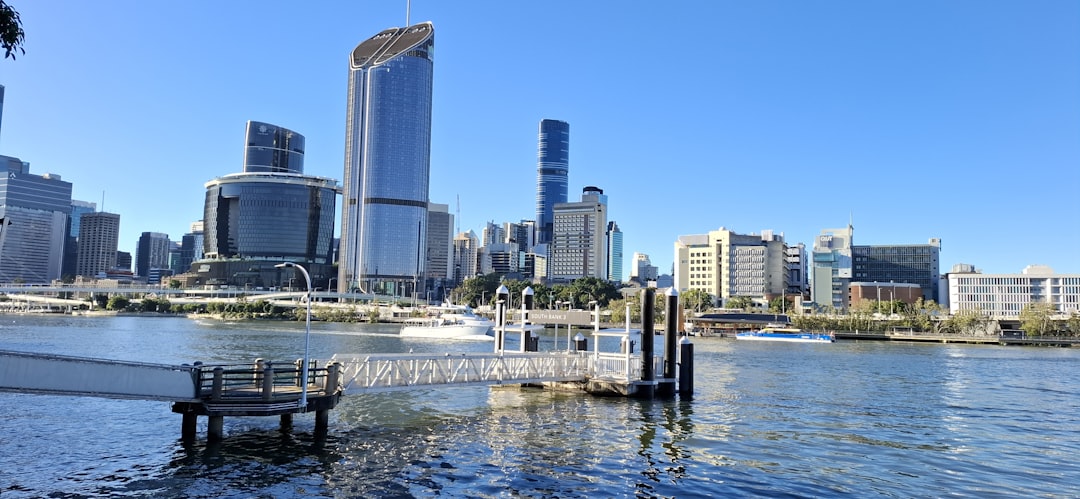
Brisbane’s unique geography presents inherent challenges for public transport coverage. The Brisbane River winds through the metropolitan area, creating natural barriers that limit direct route options. While the city boasts an extensive ferry network—one of the largest in the world—these services primarily serve inner-city and riverside communities.
The metropolitan area’s low-density suburban sprawl, characteristic of Australian cities, means many residential areas simply don’t have the population density to support frequent public transport services economically. This is particularly evident in Brisbane’s newer outer suburbs, where large housing estates often have minimal transport connections.
Major Public Transport Gaps Creating Rideshare Opportunities
Cross-Suburban Connectivity
The most significant rideshare opportunity lies in cross-suburban travel. Brisbane’s radial transport network means journeys between suburbs often require multiple connections and extended travel times. Popular cross-suburban routes that create consistent demand include:
- Shopping Centre Connections: Links between major shopping centres like Chermside, Garden City, and Indooroopilly that aren’t directly connected by public transport
- Business Park Access: Getting to employment hubs like Eight Mile Plains, Northshore, and Newstead from residential areas
- Educational Institution Links: Connections between residential areas and major universities, TAFE campuses, and private schools
Late-Night and Early-Morning Services
Brisbane public transport operates on reduced schedules outside peak hours, creating significant gaps in service availability. Train services typically cease around midnight on weekends and earlier on weeknights, while bus frequencies drop dramatically after 7 PM in many suburban areas.
This creates consistent rideshare opportunity windows:
- Night Economy Workers: Hospitality staff, security personnel, and healthcare workers who finish shifts after public transport ceases
- Shift Workers: Manufacturing and logistics workers starting early morning shifts before 6 AM
- Weekend Entertainment: People returning from Fortitude Valley, South Bank, or the CBD after midnight
- Airport Connections: Early morning or late-night flights when Airtrain connections are inconvenient
Outer Suburban Coverage
Brisbane’s fastest-growing areas are often the least well-served by public transport. New housing developments in areas like Greater Flagstone, Yarrabilba, and Upper Kedron frequently have limited or no public transport connections, creating captive markets for rideshare services.
These areas present unique opportunities:
- School Runs: Parents needing reliable transport for children when bus services are infrequent
- Medical Appointments: Elderly residents requiring transport to healthcare facilities
- Shopping Trips: Regular runs to major shopping centres and supermarkets
- Employment Connections: Workers needing to reach industrial areas or business parks
Event and Peak Demand Scenarios
Brisbane’s event calendar creates predictable surge demand periods where public transport capacity is overwhelmed. Major events at venues like Suncorp Stadium, The Gabba, Queensland Sports and Athletics Centre, and the Brisbane Entertainment Centre generate significant rideshare opportunity.
The Queensland government’s major events strategy means Brisbane regularly hosts large-scale concerts, sporting events, and festivals. While additional public transport services are often provided, they’re typically insufficient to meet total demand, particularly for attendees staying in outer suburbs or arriving from regional areas.
Peak Opportunity Zones for Rideshare Drivers
Northern Suburbs Goldmine
The northern suburbs, particularly areas like Chermside, Aspley, and Strathpine, offer excellent rideshare opportunity due to limited cross-connections and growing populations. The Northern Busway provides good CBD connectivity but lacks comprehensive suburban links.
Key opportunities include:
- Westfield Chermside Hub: Major shopping and entertainment destination with limited direct transport from many suburbs
- Prince Charles Hospital Precinct: Healthcare workers and visitors needing flexible transport options
- Griffin University Nathan Campus: Student transport, particularly during orientation and examination periods
Eastern Corridors
Brisbane’s eastern suburbs, stretching from Carindale to Cleveland, present unique transport challenges. The rail line terminates at Cleveland, while bus services are often infrequent and indirect.
High-demand routes include:
- Carindale Shopping Centre: Major regional shopping centre drawing customers from across Brisbane’s east
- Wynnum-Manly Entertainment Precinct: Weekend dining and entertainment destination
- Port of Brisbane Industrial Area: Shift workers needing reliable transport to Queensland’s largest port
Western Growth Areas
Brisbane’s western corridor is experiencing rapid residential and commercial development, often outpacing public transport infrastructure. Areas like Oxley, Forest Lake, and Greater Springfield offer substantial rideshare opportunity.
The Springfield rail line provides some connectivity, but many new developments remain poorly serviced. The opening of major shopping centres like Orion Springfield Central has created new transport demands that public transport hasn’t fully addressed.
Southern Industrial Zones
The southern suburbs house much of Brisbane’s industrial and logistics infrastructure. Areas like Eight Mile Plains, Acacia Ridge, and Carole Park are major employment centres with limited public transport access, particularly for shift workers.
These industrial zones create consistent demand patterns:
- Manufacturing Shifts: Early morning, late evening, and weekend industrial shifts
- Logistics Hubs: Workers at major distribution centres and freight terminals
- Airport Industrial Area: Brisbane Airport’s extensive industrial and cargo facilities
Maximising Your Rideshare Success in Brisbane
Understanding Demand Patterns
Successful rideshare drivers in Brisbane understand that demand follows predictable patterns based on Brisbane public transport limitations. Peak earning opportunities align with:
Weekday Patterns:
- 6:00-9:00 AM: Morning commute, particularly cross-suburban journeys
- 11:00 AM-2:00 PM: Medical appointments, shopping trips, airport runs
- 4:00-7:00 PM: Evening commute and after-school activities
- 10:00 PM-2:00 AM: Night economy workers and entertainment district returns
Weekend Patterns:
- Friday and Saturday nights: Entertainment precincts and cross-suburban party transport
- Weekend mornings: Sporting events, shopping centres, recreational activities
- Sunday afternoons: Airport runs, family visits, recreational facility transport
Vehicle Selection Matters
Brisbane’s climate and driving conditions favour fuel-efficient, comfortable vehicles. The city’s subtropical climate means air conditioning is essential year-round, while the hilly terrain and frequent stop-start traffic of suburban rideshare work places premium on fuel economy.
Hybrid vehicles offer particular advantages in Brisbane’s rideshare market:
- Fuel Efficiency: Brisbane’s traffic conditions suit hybrid technology, with frequent stop-start driving optimising electric motor assistance
- Operating Cost Reduction: Lower fuel consumption directly translates to higher profit margins per trip
- Passenger Appeal: Many Brisbane passengers prefer environmentally conscious transport options
- Reliability: Modern hybrids like the Haval Jolion offer the reliability essential for professional rideshare operation
For drivers considering vehicle options, services like Fair Hybrid Rentals in Bulimba provide access to purpose-built rideshare vehicles without the capital investment. Their Haval Jolion Hybrid rental programme includes comprehensive insurance, maintenance, and registration—allowing drivers to focus on maximising earning opportunities rather than vehicle management.
Strategic Positioning
Understanding Brisbane’s geography allows smart positioning for maximum trip frequency. Key positioning strategies include:
Morning Positioning: Start in high-density residential areas with limited public transport, focusing on cross-suburban commuter demand.
Midday Positioning: Position near medical precincts, shopping centres, and airport approach routes.
Evening Positioning: Focus on business districts and employment centres for homeward commute demand.
Night Positioning: Concentrate on entertainment precincts and late-night employment areas.
Building Regular Clientele
Brisbane’s rideshare opportunity extends beyond casual trips to regular service relationships. Many passengers require consistent transport for:
- Medical Appointments: Regular specialist visits, particularly for elderly passengers
- School Transport: Reliable service for families in areas with limited school bus coverage
- Shift Work Transport: Regular pickup and drop-off for workers with non-standard hours
- Airport Runs: Business travellers with predictable travel patterns
Building relationships with regular passengers creates income stability and reduces the need to constantly source new trips.
The Economics of Brisbane Rideshare
Income Potential
Brisbane’s rideshare market offers solid income potential for dedicated drivers, with public transport gaps creating premium demand scenarios. Industry data suggests experienced Brisbane rideshare drivers can achieve:
- Casual Drivers (10-20 hours/week): $15,000-$25,000 annually
- Part-Time Drivers (25-35 hours/week): $30,000-$45,000 annually
- Full-Time Drivers (40+ hours/week): $50,000-$70,000 annually
These figures depend heavily on strategic positioning, vehicle efficiency, and understanding demand patterns aligned with Brisbane public transport limitations.
Operating Cost Considerations
Success in Brisbane’s rideshare market requires careful cost management. Major operating expenses include:
Vehicle Costs:
- Purchase or rental payments
- Comprehensive insurance (including rideshare coverage)
- Registration and compliance costs
- Regular maintenance and repairs
Operating Expenses:
- Fuel (representing 15-25% of gross income for conventional vehicles)
- Rideshare platform commissions (typically 20-30%)
- Income tax and GST obligations
- Professional cleaning and presentation costs
Brisbane’s fuel costs and traffic conditions make vehicle efficiency crucial for profitability. Hybrid vehicles can reduce fuel expenses from 25% to 15% of gross income, significantly improving net profitability.
Regulatory Environment
Queensland’s rideshare regulations are relatively driver-friendly compared to some Australian jurisdictions. Key requirements include:
- Vehicle Standards: Vehicles must be less than 12 years old and meet safety standards
- Driver Authorisation: Drivers must obtain rideshare driver authorisation from the Department of Transport
- Insurance Requirements: Comprehensive rideshare insurance coverage is mandatory
- Vehicle Inspection: Annual safety inspections are required
- Record Keeping: Detailed trip and income records for tax purposes
Technology and Tools for Success
Essential Apps and Platforms
Beyond the primary rideshare platforms (Uber, Ola, DiDi), successful Brisbane drivers utilise various tools:
- Multiple Platform Operation: Running multiple apps simultaneously to maximise trip opportunities
- Navigation Optimisation: Using real-time traffic data to avoid Brisbane’s notorious bottlenecks
- Expense Tracking: Digital tools for managing tax-deductible expenses and GST obligations
- Customer Relationship Management: Systems for managing regular passenger relationships
Data-Driven Decision Making
Brisbane’s rideshare opportunity zones shift based on events, weather, and seasonal patterns. Successful drivers track:
- Trip Data Analysis: Identifying most profitable routes, times, and passenger types
- Fuel Efficiency Monitoring: Optimising driving patterns for maximum hybrid benefit
- Demand Prediction: Using event calendars and public transport disruptions to anticipate surge demand
- Cost Per Trip Analysis: Understanding true profitability of different trip types
Looking Ahead: Brisbane’s Transport Future
Infrastructure Development Impact
Brisbane’s transport landscape continues evolving, with major projects potentially affecting rideshare demand:
- Cross River Rail: Will improve cross-city connectivity but may reduce some CBD-focused rideshare demand
- Brisbane Metro: Enhanced bus rapid transit may affect suburban feeder route demand
- Olympic Infrastructure: 2032 Olympic preparations will create new transport patterns and temporary high-demand scenarios
Understanding these changes allows forward-thinking drivers to adapt strategies and identify emerging rideshare opportunity areas.
Sustainable Transport Trends
Brisbane’s commitment to sustainable transport creates opportunities for environmentally conscious rideshare operators. Hybrid and electric vehicles align with:
- Council Sustainability Goals: Brisbane City Council’s environmental initiatives favour low-emission transport
- Consumer Preferences: Growing passenger preference for environmentally responsible transport options
- Potential Incentives: Future regulatory incentives may favour low-emission rideshare vehicles
Making the Move: Getting Started in Brisbane Rideshare
The rideshare opportunity created by Brisbane public transport gaps represents a genuine business opportunity for motivated drivers. Success requires understanding demand patterns, strategic vehicle selection, and professional service delivery.
For those considering entry into Brisbane’s rideshare market, the key is starting with proper preparation—understanding the regulatory requirements, selecting appropriate vehicles, and developing strategies aligned with local transport geography.
Whether you’re looking for supplementary income or a full-time opportunity, Brisbane’s transport challenges create consistent demand for reliable, professional rideshare services. The city’s continued growth, combined with public transport limitations, suggests this opportunity will only strengthen in coming years.
The intersection of Brisbane’s geographic challenges, population growth, and transport infrastructure gaps creates a robust foundation for rideshare success. For drivers willing to understand their market, invest in appropriate vehicles, and deliver professional service, Brisbane’s transport landscape offers genuine opportunity to build sustainable income while providing valuable community service.
Ready to explore Brisbane’s rideshare opportunities? Contact Fair Hybrid Rentals at (07) 4801 4056 or visit their Bulimba location at 9/15 Barramul Street to discuss how their hybrid rental programme can help you capitalise on Brisbane’s growing rideshare market without the capital investment of vehicle purchase.