Brisbane’s rideshare market has exploded over the past decade, creating countless opportunities for drivers to earn solid income across the city. Whether you’re a seasoned Uber driver or considering joining the gig economy, understanding where to position yourself can make the difference between a profitable shift and driving around empty-handed. This comprehensive guide reveals the uber brisbane busy areas that consistently generate the most ride requests, helping you maximise your earnings while minimising fuel costs and dead time.
The key to successful rideshare driving isn’t just about having a reliable vehicle—though that’s certainly important—it’s about strategic positioning and understanding passenger patterns throughout Brisbane. From the bustling CBD to entertainment districts and airport runs, each zone offers unique opportunities and challenges that savvy drivers can leverage for consistent income.
Understanding Brisbane’s Rideshare Landscape
Brisbane’s rideshare ecosystem operates differently from other Australian capitals due to its sprawling layout and diverse entertainment precincts. Unlike Sydney or Melbourne’s concentrated city centres, Brisbane’s rideshare zones are distributed across multiple hubs, each with distinct peak periods and passenger demographics.
The city’s unique geography, with the Brisbane River winding through the metropolitan area, creates natural bottlenecks and high-demand crossing points. Understanding these geographical advantages is crucial for positioning yourself where passengers need you most.
Recent data from the Queensland Government shows that rideshare usage in Brisbane has grown by over 40% since 2020, with particular growth in suburban pickup zones as residents increasingly choose ride-sharing over car ownership for specific journeys.
Peak Hours and Daily Patterns
Weekday Rush Periods
Brisbane’s weekday rideshare demand follows predictable patterns that smart drivers can exploit:
Morning Peak (6:30-9:00 AM): The highest demand occurs in residential suburbs as commuters head to business districts, universities, and major employment hubs. Popular pickup zones include New Farm, Paddington, West End, and Kangaroo Point, with destinations typically being the CBD, South Bank, or major shopping centres.
Lunchtime Surge (11:30 AM-1:30 PM): Business district rides dominate this period, with short trips between offices, restaurants, and meeting locations. The CBD, Fortitude Valley, and South Bank generate consistent demand during these hours.
Evening Peak (4:30-7:00 PM): The reverse of morning peak, with passengers travelling from business districts back to residential areas or to evening entertainment venues.
Weekend Demand
Friday and Saturday nights represent the most lucrative periods for rideshare drivers, with demand spiking from 8:00 PM until 3:00 AM. Weekend daytime also offers steady income opportunities, particularly around shopping centres, sporting venues, and tourist attractions.
Top Brisbane Rideshare Zones
Brisbane CBD and South Bank
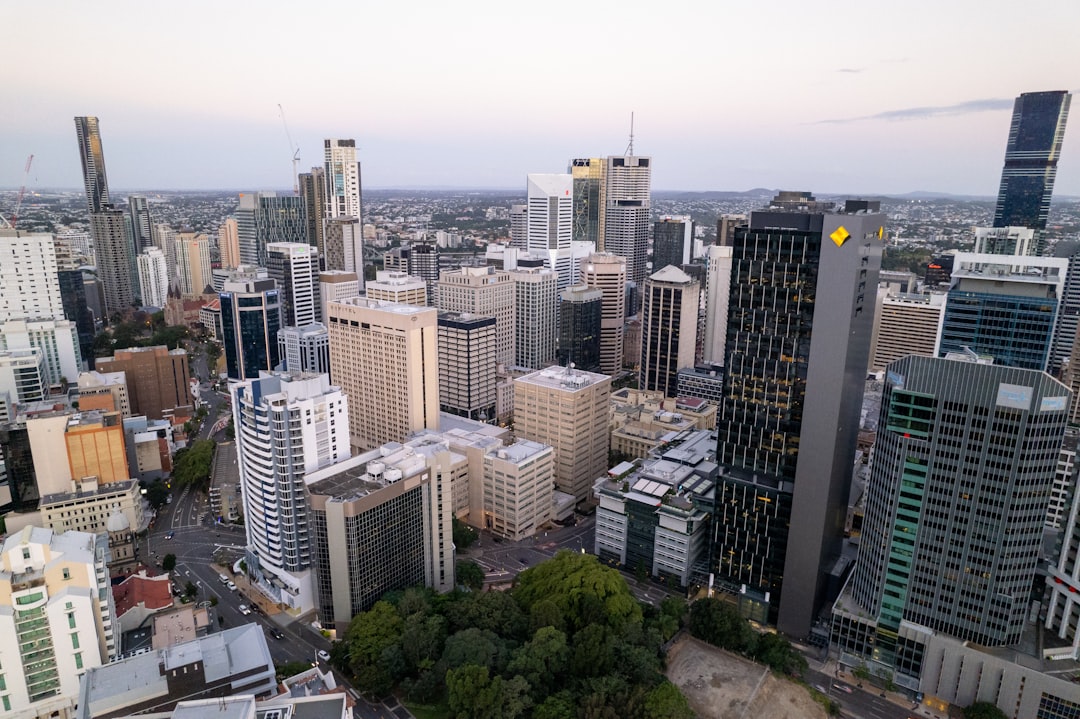
The central business district remains the heart of uber brisbane busy areas, generating consistent demand throughout weekdays. Key hotspots include:
- Queen Street Mall area: High pedestrian traffic and limited parking make rideshare essential for shoppers and workers
- Eagle Street Pier: Business lunches and corporate events drive steady midday demand
- South Bank: The cultural precinct, convention centre, and parklands create diverse passenger needs
- Treasury Casino: Late-night entertainment generates premium surge pricing opportunities
Pro Tip: Position yourself near major office towers around 5:00 PM on weekdays to catch the after-work crowd heading to dinner or transport hubs.
Fortitude Valley
Brisbane’s premier entertainment district offers exceptional earning potential, particularly Thursday through Saturday nights. The concentration of bars, clubs, restaurants, and live music venues creates intense demand between 9:00 PM and 3:00 AM.
Key pickup locations include:
- Brunswick Street entertainment precinct
- James Street dining and shopping district
- Major nightclub venues along Ann and Wickham Streets
- Concert halls and performance venues
The Valley’s narrow streets and limited parking make rideshare essential for nightlife patrons, often resulting in surge pricing during peak periods.
Airport and DFO
Brisbane Airport represents one of the most reliable rideshare zones in the city, offering consistent demand 18 hours per day. Both domestic and international terminals generate steady passenger flow, with particular peaks during:
- Morning departure rushes (5:00-8:00 AM)
- Evening arrival waves (6:00-9:00 PM)
- Weekend holiday periods
The nearby DFO shopping centre adds supplementary demand, particularly on weekends and holidays.
Important Note: Ensure you understand Brisbane Airport’s rideshare pickup procedures and designated waiting areas to avoid penalties.
University Areas
Brisbane’s major universities create predictable demand patterns that experienced drivers leverage:
Queensland University of Technology (QUT): Gardens Point and Kelvin Grove campuses generate morning and afternoon peaks during semester periods. International students often prefer rideshare for airport transfers and major shopping trips.
University of Queensland (UQ): St Lucia campus creates consistent demand, particularly when public transport is disrupted or during exam periods.
Griffith University: Nathan and South Bank campuses contribute to the broader rideshare ecosystem, with particular demand during orientation weeks and graduation periods.
Shopping and Entertainment Hubs
Major shopping centres across Brisbane generate reliable rideshare demand:
- Westfield Chermside: Northern suburbs’ primary shopping destination
- Garden City: Southern corridor hub with cinema and dining options
- Carindale Shopping Centre: Eastern suburbs anchor point
- Toombul Shopping Centre: (Note: Check current status following flood damage)
Sporting Venues
Brisbane’s major sporting venues create massive surge opportunities during events:
The Gabba: AFL and cricket matches generate intense demand before and after games, with surge pricing often reaching 2-3x normal rates.
Suncorp Stadium: NRL, soccer, and concert events create some of the highest surge pricing opportunities in Brisbane, though competition among drivers is fierce.
Pat Rafter Arena: Tennis tournaments and concerts generate supplementary demand in the Tennyson area.
Seasonal Variations and Events
Brisbane’s subtropical climate and active events calendar create seasonal rideshare opportunities:
Summer (December-February)
- Increased tourism drives airport and hotel demand
- Outdoor festivals and concerts create surge opportunities
- Cricket season generates regular Gabba traffic
Winter (June-August)
- Reduced late-night demand but consistent daytime patterns
- School holidays create family-oriented trip demand
- NRL season peaks drive stadium traffic
Major Events
- Ekka (RNA Show): Annual agricultural show creates massive demand in the Bowen Hills area
- Brisbane Festival: September cultural events spread demand across multiple venues
- New Year’s Eve: South Bank fireworks generate extreme surge pricing
- Schoolies Week: Gold Coast demand increases but Brisbane sees reduced youth market
Maximising Your Rideshare Income
Vehicle Choice Impact
Your vehicle significantly impacts your earning potential in Brisbane’s competitive rideshare market. Fuel efficiency is crucial given the current petrol prices and the amount of driving required for profitable rideshare operation.
A hybrid vehicle like the Haval Jolion Hybrid can dramatically improve your profit margins. With fuel consumption around 4.5L/100km compared to traditional petrol vehicles using 9L/100km, drivers can save approximately $5,000 annually in fuel costs alone. This saving becomes even more significant when operating in stop-start city traffic typical of uber brisbane busy areas.
For drivers considering entering the rideshare market without the capital for vehicle purchase, long-term rental options specifically designed for rideshare operators provide an alternative path to market entry. These arrangements typically include comprehensive insurance, servicing, and registration, removing the administrative burden from drivers.
Strategic Positioning Tips
Heat Map Utilisation: Regularly check your rideshare app’s demand heat maps to identify surge areas in real-time.
Dead Time Minimisation: Plan your routes to avoid extended periods without passenger requests. Position yourself near guaranteed demand areas during transition periods.
Cross-Platform Operation: Consider operating on multiple rideshare platforms to maximise ride opportunities, though ensure you understand each platform’s requirements and insurance implications.
Insurance Considerations
Rideshare insurance is mandatory in Queensland and typically costs around $23 per week for comprehensive coverage. This additional cost should be factored into your earning calculations, alongside fuel, vehicle maintenance, and platform commissions.
Ensure your insurance specifically covers rideshare activities, as personal vehicle insurance typically excludes commercial use. The Queensland Government has specific regulations regarding rideshare insurance requirements that all drivers must meet.
Avoiding Common Positioning Mistakes
Over-Saturated Markets
While rideshare zones like Fortitude Valley offer high demand, they also attract numerous drivers. Sometimes positioning yourself in adjacent suburbs with good access to busy areas provides better ride frequency with less competition.
Ignoring Traffic Patterns
Brisbane’s traffic congestion significantly impacts rideshare profitability. Understanding peak traffic periods and alternative routes helps maintain trip efficiency and passenger satisfaction.
Neglecting Suburban Demand
Many drivers focus exclusively on city centre and entertainment districts, overlooking suburban shopping centres, schools, and residential areas that generate consistent, low-competition demand.
Technology and Tools for Success
Essential Apps and Resources
- Waze or Google Maps: Real-time traffic updates and route optimisation
- Fuel price comparison apps: Locate cheapest fuel stations along your routes
- Weather apps: Anticipate demand spikes during rain or extreme weather
- Event calendars: Plan for major events and their transport implications
Data Tracking
Successful rideshare drivers maintain detailed records of:
- Peak earning periods and locations
- Fuel consumption and costs
- Vehicle maintenance schedules
- Tax-deductible expenses
Future Trends in Brisbane Rideshare
Brisbane’s rideshare market continues evolving, with several trends affecting optimal positioning strategies:
Infrastructure Development
The Cross River Rail project and other major infrastructure developments will reshape passenger movement patterns across Brisbane. Stay informed about construction impacts and new transport hubs that might affect demand distribution.
Suburb Densification
Brisbane’s urban densification policies are creating new residential hotspots in previously low-demand areas. Monitor development announcements to identify emerging rideshare opportunities.
Environmental Regulations
Increasing focus on emissions reduction makes fuel-efficient and hybrid vehicles increasingly attractive for rideshare operation. Some international markets are beginning to implement emission-based restrictions in city centres, a trend that may eventually reach Australia.
Making Your Brisbane Rideshare Career Sustainable
Success in Brisbane’s rideshare market requires more than knowing where the busy areas are—it demands a strategic approach to vehicle selection, positioning, and market understanding. The uber brisbane busy areas highlighted in this guide provide the foundation for profitable operations, but your success ultimately depends on consistent execution and adaptation to changing market conditions.
Whether you’re driving your own vehicle or considering rental options designed for rideshare drivers, understanding Brisbane’s unique passenger patterns and demand zones positions you for success in this competitive but rewarding market. The key is combining this knowledge with efficient operations and smart financial management to build a sustainable rideshare business.
For drivers serious about maximising their rideshare income in Brisbane, investing in fuel-efficient vehicles and understanding the nuances of each demand zone creates the foundation for long-term success. With Brisbane’s continued growth and increasing acceptance of rideshare services, opportunities abound for drivers who position themselves strategically and operate professionally.
Remember that rideshare driving is ultimately a customer service business conducted from a vehicle. Your success in Brisbane’s rideshare zones depends not just on being in the right place at the right time, but on providing excellent service that encourages repeat customers and positive ratings. Combined with the strategic positioning insights in this guide, this approach will help you build a thriving rideshare business in Brisbane’s dynamic market.